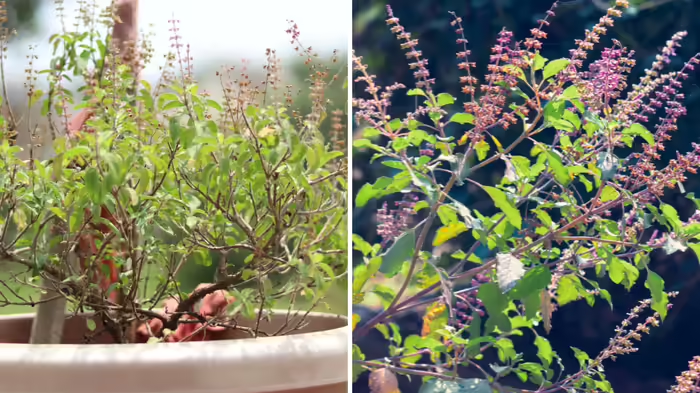
Many people wonder why their Tulsi (holy basil) plant dries out even when watered regularly. According to gardening expert Kavita Joshi, the main reasons are root rot, fungal infections, and exposure to frost. She shares essential tips on how to properly care for Tulsi plants and keep them healthy.
Protect Your Plant from Frost
Tulsi needs special care during winter. Place the plant in a shaded area to protect it from direct frost. If the plant is in a pot that cannot be moved, cover it with cotton cloth during the night, removing the cover during daylight. This prevents leaves from drying and turning black.
Fertilizing Tips
Tulsi does not require frequent fertilization. A monthly application is sufficient. Kavita recommends using leaf compost or cow dung. Before adding fertilizer, loosen the soil slightly to allow nutrients to penetrate.
Avoid Overwatering
Excess water is one of the main reasons for Tulsi roots rotting and fungal growth. During winter, water only when the soil is dry up to 2 inches. Overwatering can also cause the plant to wilt.
Ash as a Natural Protectant
After adding compost, sprinkle wood ash or charcoal over the soil and leaves. Rich in calcium, ash acts as a natural pesticide and helps prevent pest infestation.
Turmeric for Disease Prevention
Turmeric has natural antibiotic properties. Adding one teaspoon of turmeric to the soil can protect the plant from fungus caused by overwatering.
Pruning Tips
Do not remove healthy green shoots. Only cut off brown, dried shoots to prevent fungal infections and keep the plant thriving.
By following these simple steps, your Tulsi plant will remain healthy, lush, and vibrant even during the cold months.
Discover more from SD NEWS agency
Subscribe to get the latest posts sent to your email.