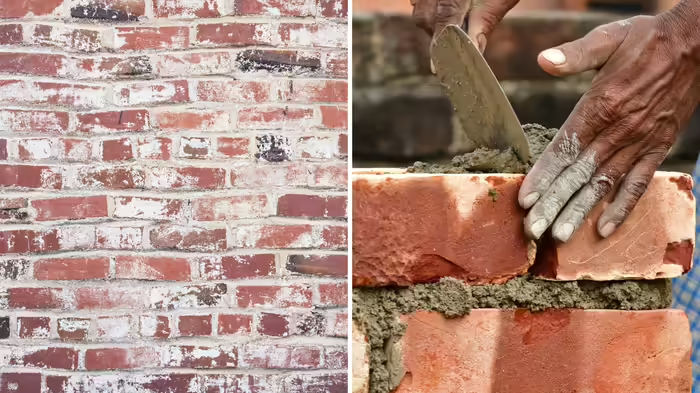
Mumbai: Homeowners often notice a white, salt-like layer forming on newly built red brick walls, commonly known in vernacular as shora, and technically referred to as efflorescence. Civil engineer Vishal Mishra explains why this phenomenon occurs and how to prevent it, ensuring the long-term strength and durability of your home.
Understanding Efflorescence
Efflorescence appears when soluble salts in bricks or cement migrate to the surface with moisture. As the water evaporates, it leaves behind a white, powdery residue. The process is similar to the white marks left on clothes after sweat dries. According to Engineer Mishra, the primary reason for this is high alkalinity in the water used during construction.
Causes
- Water quality: If construction water contains high levels of salt or has a pH above 8, bricks tend to release these salts as they dry.
- Weak bricks: Underbaked or poor-quality bricks absorb more water and contain higher salt content.
- Environmental moisture: The white layer attracts humidity, which can keep walls damp and may cause a musty smell indoors.
Risks to the Structure
- Reduced strength: Efflorescence can make bricks brittle, weakening the walls.
- Plaster and paint damage: The white salts can break the bond between plaster and brick, causing peeling and flaking of paint and putty.
- Moisture retention: Salt attracts moisture, leading to dampness and potential mold issues.
Preventive Measures During Construction
- Test water quality: Use fresh water with a pH between 6 and 8 for mixing cement and plaster. Avoid using salty or hard water.
- Check brick quality: Ensure bricks are fully baked and free of excess salts.
- Brick pre-soaking: Wash bricks with fresh water before laying them to remove surface salts.
- Waterproofing: Add a good-quality waterproofing compound to cement during plastering. Incorporate Damp-Proof Course (DPC) at the foundation to prevent ground moisture from reaching walls.
Remedies for Existing Efflorescence
- Brush the white powder off with a dry, stiff-bristled brush.
- Wash the affected area using a diluted hydrochloric acid solution under expert supervision.
- Use commercially available liquid treatments designed to prevent efflorescence before applying plaster.
By understanding the causes of shora and taking preventive measures, homeowners can protect their walls from weakening, maintain smooth plaster surfaces, and ensure their home remains strong and durable for years to come.
Discover more from SD NEWS agency
Subscribe to get the latest posts sent to your email.