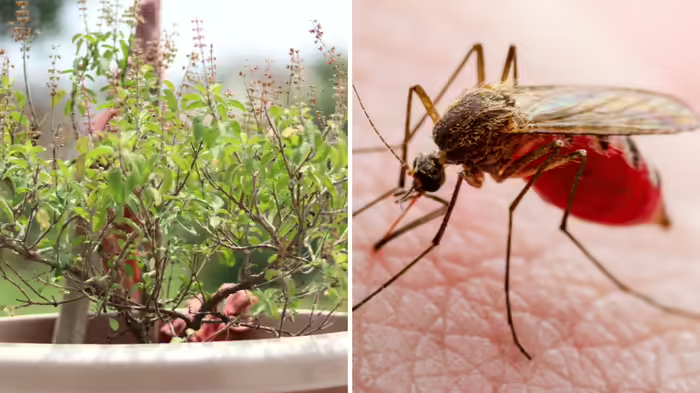
Many people discard a basil (tulsi) plant once it dries, thinking it has lost its value. However, gardening experts say that its dry stems are highly useful. Treating them as waste is a big mistake. Rich in both spiritual significance and medicinal properties, these stems can be used for rituals, mosquito repellent, and even enhancing flavors in tea.
Tulsi: More Than Just a Plant
In Indian culture, tulsi is not just a plant—it is sacred. Even after it dries, its stems remain potent and holy. Many, unaware of its uses, throw them away, but experts recommend preserving them for various practical applications.
Gardening expert Renu shares that dry tulsi stems can serve multiple purposes—from keeping mosquitoes at bay to enriching your tea. Most importantly, you’ll no longer need to throw them away.
Natural Mosquito Repellent
Commercial mosquito coils often contain harmful chemicals. A natural alternative is to use dry tulsi stems. Break them into small pieces, add a little camphor, and light them. The fragrant smoke drives away mosquitoes and other small insects from every corner of your home. This method is completely chemical-free and safe.
Making Organic Fertilizer
If the stems have decayed significantly, cut them into small pieces and bury them in the soil. They act as an excellent organic fertilizer, improving soil quality and helping protect other plants from fungal infections.
Creating Homemade Tea Masala
The thicker parts of dried tulsi stems can be ground to make tea masala. Add 2–3 teaspoons of rose petals, along with cloves, cardamom, fennel, a piece of cinnamon, and a small piece of licorice (crushed in a mortar beforehand). Grind everything together to prepare aromatic tulsi tea masala powder.
Use in Rituals and Havan
According to gardening experts, tulsi wood can also be used during small havans or daily aartis. Adding dry stems to burning guggul or loban smoke absorbs negative energy and promotes mental peace.
Tulsi Water for Cleansing
If the stems are very thin, clean them and place them in a copper vessel filled with water. After a few hours, sprinkle this water around your home. Scientifically, tulsi extract in water helps reduce bacteria in the air, while spiritually it purifies your home environment.
Additional Tips from Experts
- Tulsi Beads: Thicker dry stems can be peeled and shaped into small beads. These beads can be strung together to make malas for Laddoo Gopal or wearable garlands. According to religious beliefs, wearing a tulsi mala from your home is considered auspicious and protective.
By following these simple tips, you can make the most of your tulsi plant even after it dries—keeping your home fragrant, mosquito-free, and spiritually pure.
Discover more from SD NEWS agency
Subscribe to get the latest posts sent to your email.