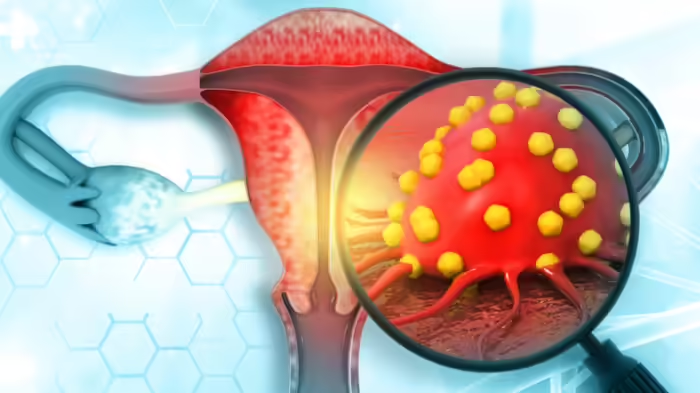
Cervical cancer is a dangerous disease, but it is highly preventable. Unfortunately, many women either lack awareness about it or underestimate its risks, leaving themselves vulnerable. Dr. Anjali Kumar, Director of Obstetrics and Gynecology at CK Birla Hospital, shares essential information that every woman should know to protect herself.
Cervical Cancer Remains Preventable in 2026
Even today, cervical cancer is among the most easily preventable cancers. Advances in screening, vaccination, and awareness campaigns have made prevention more accessible. Yet, misunderstandings and gaps in knowledge persist, even in developed countries. Gynecologists around the world emphasize that prevention is not limited to avoiding cancer alone—it is about lifelong reproductive and overall health.
Myth: Only Older Women Are at Risk
One of the biggest misconceptions is that cervical cancer affects only older women. In reality, pre-cancerous changes can begin years before cancer develops, making early preventive action crucial. Doctors recommend that cervical cancer screening should ideally begin at age 21, even if no symptoms are present.
HPV Vaccine: A Powerful Preventive Tool
The Human Papillomavirus (HPV) is the primary cause of cervical cancer, making the HPV vaccine highly effective in prevention. Many women are unaware of the importance of vaccination or its full protective benefits. For maximum effectiveness, the vaccine should be administered before becoming sexually active, though women and men aged 20–30 can still benefit. While vaccination reduces the risk of high-risk HPV types, regular screening remains essential.
Don’t Wait for Symptoms
Gynecologists strongly advise against waiting for symptoms to appear. Cervical cancer in its early stages rarely causes pain or discomfort. By the time symptoms like irregular bleeding or pelvic pain appear, the disease may already have progressed to an advanced stage. Affordable HPV tests and self-sampling kits are now available in India, making early detection easier than ever.
Lifestyle and Sexual Health Factors
While HPV is the main cause, lifestyle habits and sexual health also play a role in cervical cancer risk:
- Smoking increases the likelihood that HPV infection may progress to cancer.
- Multiple pregnancies or long-term use of certain hormonal contraceptives may raise risk.
- Chronic stress, long-term illnesses, or conditions like HIV can weaken immunity, increasing susceptibility.
Takeaway
Early action—through vaccination, regular screening, and healthy lifestyle choices—is critical in preventing cervical cancer. Awareness, education, and timely intervention are key to safeguarding women’s health worldwide.
Disclaimer: This article is based on information shared in public media sources, including Instagram reels. Navbharat Times does not guarantee the accuracy, completeness, or efficacy of any health advice. Always consult a qualified healthcare professional before following any medical guidance.
Discover more from SD NEWS agency
Subscribe to get the latest posts sent to your email.