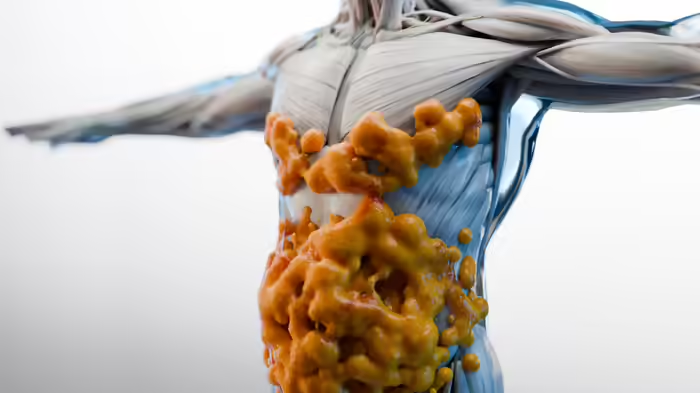
Most people consider belly fat to be a mere cosmetic issue. While it may affect appearance, doctors warn that the fat stored deep inside the abdomen is far more dangerous than the fat visible under the skin.
Why Visceral Fat Is More Harmful
According to Dr. Pankaj Sharma, Director of Robotic, Bariatric, Laparoscopic, and General Surgery at Fortis Hospital Shalimar Bagh, visceral fat accumulates around vital organs such as the liver, pancreas, and intestines. This fat releases hormones and inflammatory chemicals, increasing insulin resistance and elevating the risk of diabetes, high blood pressure, heart disease, fatty liver, and stroke.
Risk Exists Even with Normal Weight
“Many patients may not appear overweight, yet excessive visceral fat significantly raises their metabolic risk,” Dr. Sharma explains. This is why waist size, alongside weight, is an important health parameter.
Why Lifestyle Changes Alone May Not Work
Diet and exercise are essential for reducing belly fat, but they may not always suffice. Factors such as hormonal imbalance, age, genetics, and long-standing obesity can make visceral fat particularly stubborn. In such cases, relying solely on workouts or dietary changes may not produce the desired results.
Medical Approaches to Reducing Belly Fat
Experts recommend several scientifically proven methods to tackle visceral fat:
- Medical Nutrition Therapy: Doctor-supervised diets targeting insulin resistance and fatty liver.
- Medication: Certain patients may require drugs to regulate metabolism and control appetite.
- Endoscopic Weight Loss Procedures: Modern, minimally invasive techniques to reduce stomach capacity.
- Bariatric Surgery: The most effective long-term solution for severe obesity and related health conditions.
Scientific Management of Health Risks
Dr. Sharma emphasizes, “Bariatric surgery is not just a weight-loss procedure; it is a scientific approach to controlling diabetes, blood pressure, and heart risks.” Ignoring visceral fat can invite serious health problems in the future. Timely medical guidance and scientifically backed treatments can improve both weight and overall quality of life.
Disclaimer: This article is for general informational purposes only. Navbharat Times does not guarantee the accuracy or efficacy of the information provided. It is not a substitute for professional medical advice. Always consult a qualified doctor for personalized guidance.
Discover more from SD NEWS agency
Subscribe to get the latest posts sent to your email.