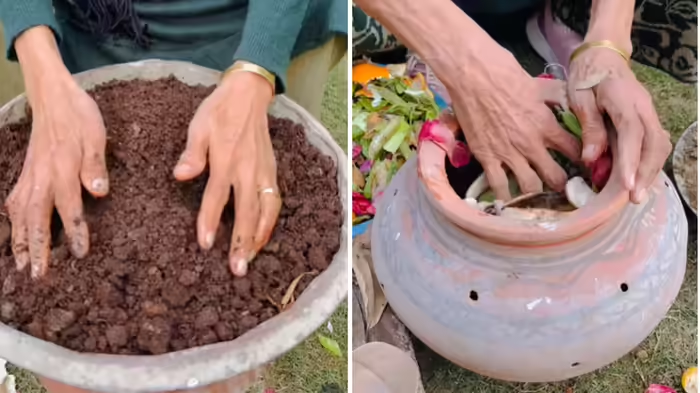
Mumbai: Instead of discarding kitchen waste, you can transform it into nutrient-rich organic compost for your garden—a technique that benefits both the environment and your plants. Kailash Wati, a gardening content creator, has shared an easy clay-pot method to make compost at home without bad odors or pests.
Many households struggle with what to do with leftover peels and scraps from fruits and vegetables. Kailash Wati’s step-by-step video demonstrates how these “wastes” can be turned into valuable organic matter, often referred to as “black gold” due to its richness and fertility.
Clay-Pot Preparation and Ventilation
Start with a medium or large clay pot. Using a sharp tool or drill, make small holes around the pot for aeration. Proper airflow is essential for decomposition, preventing foul smells and ensuring the waste breaks down efficiently.
Layering Leaves, Soil, and Kitchen Waste
- Base Layer: Place a thick layer of dry leaves at the bottom. Dry leaves act as a carbon source and absorb excess moisture from kitchen scraps.
- Layering: Add 1–2 inches of soil over the leaves, then a layer of kitchen peels, followed by soil again. Repeat this “sandwich” layering until the pot is full. Smaller waste pieces decompose faster.
Jaggery and Buttermilk Mixture
To speed up decomposition, prepare a mixture of 200 grams of jaggery dissolved in 2 glasses of buttermilk. The natural bacteria in buttermilk combined with jaggery’s sweetness accelerates the composting process. Pour this mixture gradually over the layered contents. It maintains moisture and promotes beneficial microbial activity.
Dos and Don’ts
Avoid adding cooked food items such as rice, lentils, cooked vegetables, dairy, or oils, as these can attract pests and create unpleasant odors. Only use raw fruit and vegetable peels, stems, and scraps.
Harvesting Your Compost
Cover the pot with a lid or cloth and place it in a shaded area. Every 15–20 days, gently turn the top soil to allow air circulation. Within approximately three months, all the waste will transform into a dark, crumbly, soil-like powder with a pleasant earthy aroma—your “black gold.” Strain the compost and use it to nourish your plants.
This simple, eco-friendly method makes turning kitchen scraps into valuable compost easy, hygienic, and effective—perfect for home gardeners looking to enrich their soil naturally.
Discover more from SD NEWS agency
Subscribe to get the latest posts sent to your email.