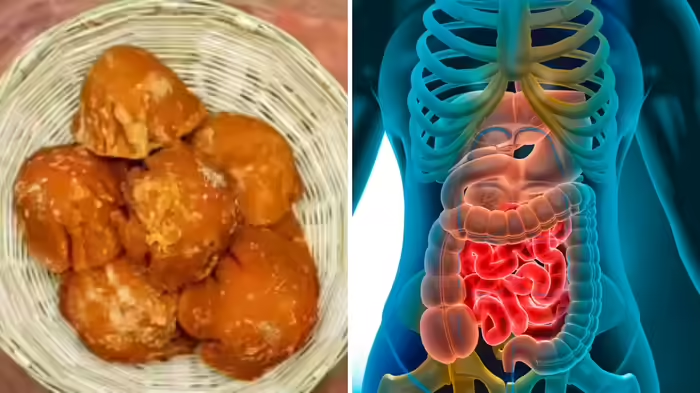
While jaggery is traditionally considered a healthy winter sweet, recent investigations reveal alarming contamination in market-sold jaggery. Many products are adulterated with hazardous chemicals and artificial colors, including sulfur, metanil yellow, washing soda, and chalk powder, posing serious risks to the kidneys, liver, bones, and digestive system.
Health Benefits of Pure Jaggery
Pure jaggery is a rich source of iron, minerals, and antioxidants. It helps boost immunity, improve digestion, detoxify the liver, and prevent anemia. However, these benefits can only be reaped when consuming genuine, chemical-free jaggery.
Dangerous Adulteration in Jaggery
Food safety authorities have detected unsafe practices, including the addition of washing soda and chalk powder to increase weight, and metanil yellow dye to give a golden-yellow appearance. Sulfur dioxide is also used to brighten jaggery, giving it an artificial shine that can mislead consumers.
Health Risks:
- Sulfur dioxide: Weakens bones, reduces bone density, causes muscle and nerve weakness, and may lead to back pain.
- Metanil yellow: A banned synthetic color, causing nausea, abdominal pain, diarrhea, liver and kidney damage, and oxidative stress.
- Washing soda (sodium carbonate): Can irritate the mouth, throat, and stomach, leading to ulcers and digestive problems.
How to Spot Fake Jaggery in 5 Seconds (FSSAI Method)
- Color Check: Pure jaggery ranges from light to dark brown. If jaggery appears very bright yellow or golden, it may be artificially colored. Dissolve a small piece in water — if the water changes color, it is adulterated.
- Check for Washing Soda or Chalk: Dissolve jaggery in water and observe the bottom. White residue indicates adulteration; pure jaggery leaves no residue.
- Texture & Taste: Pure jaggery is soft, slightly sticky, and breaks easily. Fake jaggery is hard or grainy due to added sugar or chemicals. The taste of pure jaggery is mildly sweet with a hint of caramel and earthy flavor.
- Melting Test: Heat jaggery in a pan. Pure jaggery melts evenly into a thick syrup. Adulterated jaggery leaves crystals or residue.
- Final Color Check: Authentic jaggery always has a deep brown color. Bright golden-yellow jaggery is usually artificial.
Consumers are urged to buy jaggery from trusted sources and conduct these simple tests at home to avoid health risks.
Disclaimer: This article provides general information only. It is not a substitute for medical advice. Consult your doctor for health concerns.
Discover more from SD NEWS agency
Subscribe to get the latest posts sent to your email.