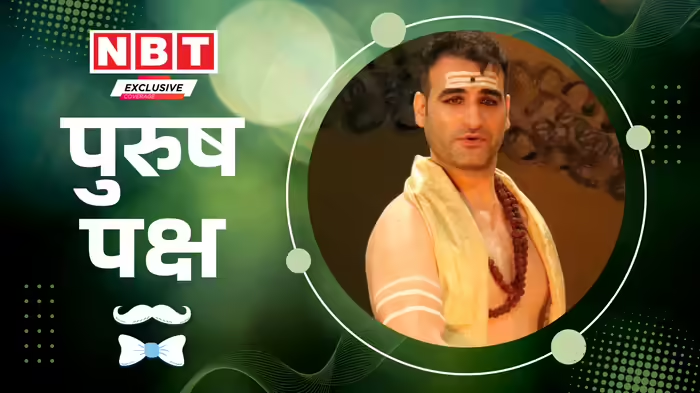
Classical dance in India has long been seen as a female-dominated field, and male dancers often face prejudice and stereotyping. Kathak dancer Karan Jodhani shares his journey of passion, struggle, and perseverance in the face of societal bias.
Early Struggles
From a young age, Karan was drawn to dance, but growing up in a traditional Sindhi joint family in Bhopal, he faced constant ridicule. Schoolmates mocked him and labeled him “gay” simply because he performed classical and theme dances. Boys expected girls’ roles in performances, and Karan endured teasing for embracing the art form.
Balancing Studies and Work
During college, Karan auditioned at prominent radio stations in Bhopal and became a radio jockey while pursuing his English Literature degree. Later, he moved to Mumbai for journalism studies, but despite professional commitments, he carved out time to continue dancing.
Family and Cultural Challenges
Karan is the only dancer in his family. His ancestors had migrated from Pakistan and lived a life where art and dance were not considered viable pursuits. This made his journey even more unconventional and challenging.
The Struggle in Classical Dance
In India, female dancers dominate classical forms, and men have to work harder to gain recognition. Karan recalls how his dedication often went unappreciated at his workplace, yet he persisted, driven by sheer passion.
Finding Recognition
Karan’s first formal training came from Sarju Mohan Ji, after being recommended by Sumit Ponda Ji at his Bhopal school. He trained in Kathak and 18 forms of folk dance, winning inter-college competitions and earning the Best Dancer award in Bhopal. Over time, his skill and dedication helped him gain recognition, breaking stereotypes about male dancers in classical arts.
Karan Jodhani’s story reflects the resilience required for men in classical dance, challenging societal norms and inspiring others to pursue their passion despite prejudice.
Discover more from SD NEWS agency
Subscribe to get the latest posts sent to your email.