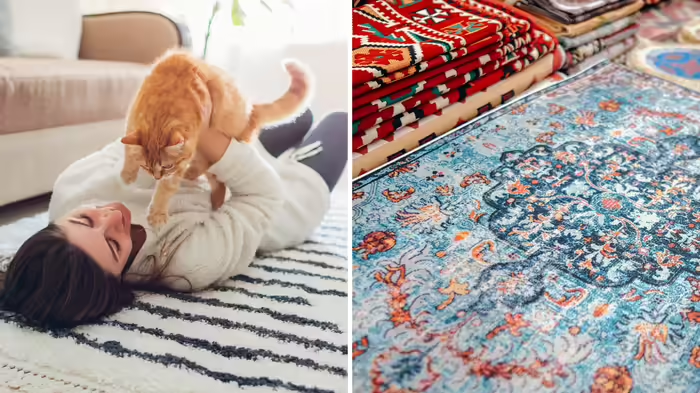
During freezing winter mornings, stepping barefoot on a cold floor sends shivers through your entire body. But did you know that laying the right carpet or rug can naturally warm your room while reducing your electricity bill—sometimes eliminating the need for a heater altogether?
Why Flooring Matters in Winter
As temperatures drop, keeping indoor spaces warm becomes challenging. While curtains can block cold air from windows, the real chill often comes from the floor, which absorbs the room’s warmth. This is where carpets and rugs play a vital role. They not only enhance the aesthetics of your home but also create a thermal barrier between your feet and the cold floor, retaining warmth efficiently.
Choosing the right color, material, and texture can transform an ordinary room into a cozy, inviting space. This approach reduces reliance on heaters, saving energy while improving your home’s overall look and feel.
Controlling Floor Temperature
Carpets do more than provide comfort underfoot—they act as thermal insulators. Wool or dense-fiber rugs trap tiny pockets of air between fibers, preventing heat from escaping. In contrast, wooden or stone floors cool quickly, drawing warmth from the surrounding air. By covering floors with the right rugs, heat is retained longer, keeping rooms warm even after the heater is turned off.
Choosing the Right Material
Material selection is critical for winter warmth:
- Wool: Naturally insulating, moisture-absorbing, durable, and highly effective at retaining heat.
- High-Pile Rugs: Long, dense fibers trap more air and provide exceptional comfort for bare feet. Shaggy rugs are particularly ideal for winter.
- Natural Fibers: While great for summer, materials like cotton or jute can feel cold in winter and are best avoided for warmth.
Layering for Extra Warmth
Designers increasingly use the “rug layering” technique, placing a smaller, thick, soft rug over a larger flat-weave or jute carpet. This double-layer approach not only enhances the room’s style but also provides extra protection against cold floors, making it especially effective in living rooms and bedrooms.
Don’t Skip the Rug Pads
Rug pads beneath carpets are often overlooked but essential. A thick felt pad prevents slipping, adds an extra thermal layer, absorbs the cold from the floor, and prolongs the rug’s lifespan.
The Impact of Colors and Texture
Colors influence perception of warmth. Deep, warm tones such as maroon, terracotta, mustard, or chocolate brown create a cozy ambiance. Textures like chunky knits or faux fur add visual and physical comfort, making rooms feel inviting and encouraging longer stays.
By paying attention to materials, layering, and colors, you can make your room naturally warm, reduce dependence on heaters, and save on electricity—all while giving your home a stylish, welcoming makeover.
Discover more from SD NEWS agency
Subscribe to get the latest posts sent to your email.