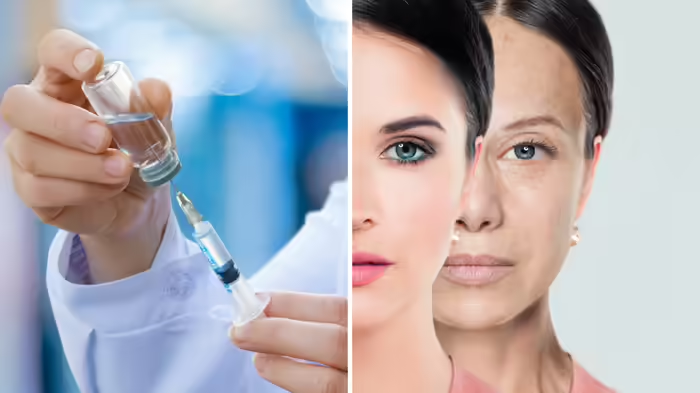
A new study suggests that receiving the shingles vaccine in older age may help slow the rate of biological aging, offering promising insights for healthy aging. While aging is inevitable, researchers have found that certain interventions, such as vaccines, could influence how quickly the body’s systems age.
The study, led by Research Associate Professor Jung Ki Kim at the USC Leonard Davis School of Gerontology, analyzed data from the US Health and Retirement Study. It included 3,800 participants aged 70 and above in 2016, examining the impact of the shingles vaccine on biological age. Even after controlling for other factors, those who received the vaccine showed a slower increase in biological aging compared to those who did not.
Biological age reflects the functional age of organs and systems, which may differ from chronological age. For example, a 30-year-old could have a biological age of 45, while a 45-year-old could have a biological age of 30. Shingles (herpes zoster) is a painful skin infection caused by the reactivation of the chickenpox virus, which remains dormant in the body.
The study also found that vaccination reduces internal inflammation, a key contributor to accelerated biological aging. While the exact mechanism behind this effect remains unclear, the results reinforce previous findings that vaccines, including shingles and influenza, may help reduce the risk of neurodegenerative disorders such as dementia.
Although more research is needed to fully understand the link, these findings suggest that vaccines may play a role in promoting healthier aging and maintaining organ function in later life.
Disclaimer: This article is for general informational purposes only. Navbharat Times does not take responsibility for its accuracy or effectiveness and it should not replace professional medical advice. Consult your doctor for guidance.
Discover more from SD NEWS agency
Subscribe to get the latest posts sent to your email.