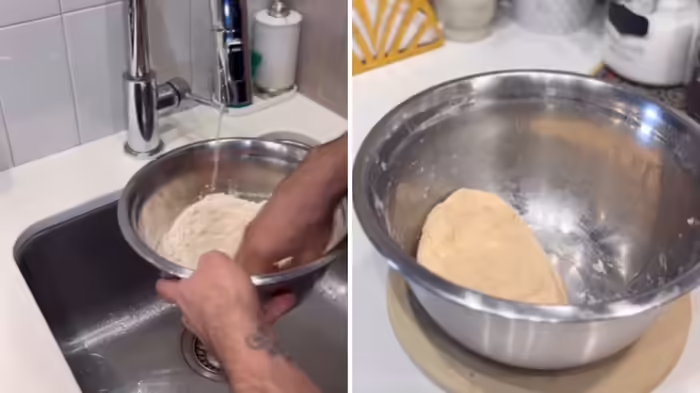
Kneading dough is often considered one of the most labor-intensive and time-consuming tasks in the kitchen. However, a new technique shared by social media chef Rohan is making waves for its simplicity and efficiency. This method not only saves time but is particularly helpful for those who struggle to measure water accurately while kneading dough.
The Challenge of Perfect Dough
Many people find it difficult to knead dough to the right consistency, especially if they don’t cook daily. Too little water results in dry dough, while too much makes it sticky. Rohan’s method addresses this common problem in an innovative way.
Step-by-Step Technique
1. Prepare the Flour and Salt
Take a wide bowl or plate and add the required amount of dry flour, depending on how many rotis you intend to make. Mix in salt according to taste, ensuring it is evenly distributed throughout the flour.
2. Use a Slow Stream of Water
The most distinctive part of Rohan’s method is the way water is added. Instead of estimating with a cup or bowl, turn on the kitchen tap to a very slow stream—thin enough that water drips steadily but doesn’t flood the flour.
3. Keep Your Hands Moving
Place the bowl under the slow stream of water. While keeping the bowl steady, move your hands in circular motions so that water spreads evenly over all the flour, rather than pooling in one spot.
4. Manage Moisture with Hands
As you mix, the flour absorbs water and begins forming small clumps. Once the dough has absorbed enough moisture and there are no dry patches left, remove the bowl from under the tap and turn off the water.
5. Final Kneading
Gently bring the dough together with your hands for 1–2 minutes. Because water has been evenly distributed, minimal force is required. The result is soft, smooth, and elastic dough, ideal for rotis or other preparations.
6. Apply Oil and Rest
After kneading, lightly coat the dough with oil and cover it for 10–15 minutes. Resting allows the gluten to set, ensuring that rotis puff well while cooking and remain soft even after cooling.
Why This Method Works
Rohan’s technique is efficient because it ensures uniform hydration of the flour, reduces physical effort, and minimizes the risk of over- or under-watering. It is especially useful for beginners or anyone looking to save time in the kitchen.
With this simple method, kneading dough becomes faster, easier, and more consistent—making everyday cooking less of a chore.
Discover more from SD NEWS agency
Subscribe to get the latest posts sent to your email.