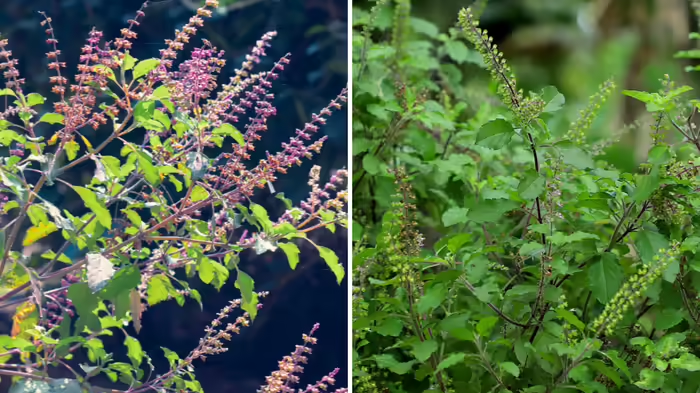
In Indian Hindu households, the Tulsi plant is more than just a plant; it is a symbol of reverence and faith. When bringing Tulsi from the nursery, many people find themselves confused between ‘Rama’ Tulsi and ‘Shyama’ Tulsi. Though both are distinct varieties, taking proper care ensures the plant stays healthy and vibrant.
Tulsi: A Symbol of Spiritual and Decorative Importance
While plants have always played a significant role in home decor, adding positivity and charm, Tulsi occupies a place of honor in Indian homes. A lush Tulsi plant in your garden or balcony can elevate the beauty of your entire home. However, the confusion often arises regarding whether to choose Rama Tulsi or Shyama Tulsi for spiritual benefits and decoration.
Rama Tulsi, with its light green leaves, gives a refreshing look, while Shyama Tulsi, with its deep-colored leaves, imparts a rustic, earthy charm. Identifying and caring for these plants correctly is simple when you know what to look for.
Identifying Rama and Shyama Tulsi by Leaf Color
The easiest way to distinguish between Rama and Shyama Tulsi is by their leaf color. Rama Tulsi leaves are light green, which is why it’s also called ‘Ujjwal Tulsi’ (bright Tulsi). This light green color is soothing to the eyes.
On the other hand, Shyama Tulsi’s leaves are dark, with shades of purple or deep green. Named after Lord Krishna, it is also referred to as ‘Krishna Tulsi’.
Differences in Taste and Aroma
If you’re unable to identify the plants by color, taste and fragrance can help. The leaves of Rama Tulsi have a slightly sweet taste and a strong but gentle aroma, which makes it commonly used in prayers and rituals. Shyama Tulsi, on the other hand, has a more pungent taste compared to Rama Tulsi. In Ayurveda, Shyama Tulsi is considered to have more medicinal benefits due to its higher antioxidant content.
Religious and Vastu Significance
According to Vastu Shastra, planting both types of Tulsi in the home is auspicious, though their significance varies. Rama Tulsi is believed to bring peace, prosperity, and positive energy to the home. In contrast, Shyama Tulsi is associated with fortune and mental tranquility. Many people choose to plant both varieties together in their courtyards to combine the benefits.
Winter Care for Tulsi Plants
Tulsi plants are quite sensitive, especially during winter. When temperatures drop or frost sets in, cover the plant with a cotton cloth or shawl at night. It is also important to place the plant in a spot that receives at least 4-5 hours of direct sunlight daily. Lack of sunlight causes the leaves to shed.
Proper Watering Practices
The most common reason for Tulsi plants to dry out is overwatering. Only water the plant when the topsoil appears dry. Excessive water can lead to root rot and fungal growth. While it’s good to water the plant daily, make sure to use just a little water, as too much water creates a muddy environment for the roots.
Pruning the Flowers is Essential
One of the key secrets to keeping Tulsi plants lush and vibrant is pruning the flowers, also known as the ‘Manjari’. Once the plant starts flowering and the flowers begin to dry out, they should be promptly cut off. According to religious beliefs, the weight of the flowers is a burden on the plant. Scientifically, once flowers bloom, the plant directs its energy towards producing seeds, halting its growth. Therefore, removing the flowers promotes better growth.
Discover more from SD NEWS agency
Subscribe to get the latest posts sent to your email.