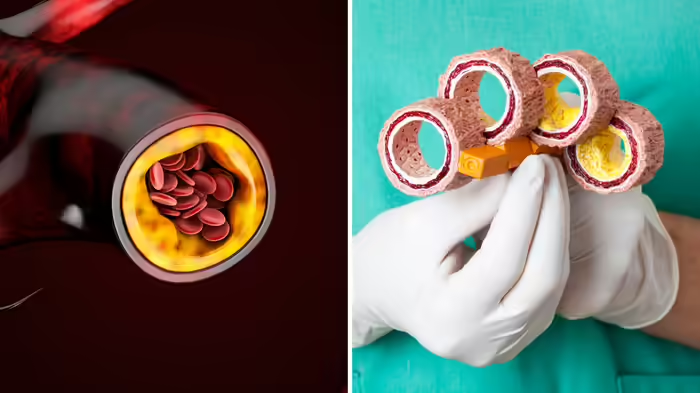
Heart attacks are often caused by the buildup of plaque in arteries due to excess cholesterol, leading to blockages. Experts emphasize that keeping arteries clean is crucial for heart health. Surprisingly, a simple daily habit of 5–10 minutes of jogging can significantly reduce harmful cholesterol levels and protect your heart.
While many recommend dietary remedies like garlic or herbal supplements, exercise is often overlooked. Regular jogging, however, has proven benefits in maintaining arterial health. It not only improves heart function but also enhances lung capacity, stamina, endurance, and liver function.
Scientific Backing
Research has shown that individuals who jog 7 to 14 miles per week experience better lipid profiles. High-density lipoprotein (HDL) increases, while low-density lipoprotein (LDL) decreases, reducing the risk of plaque formation in arteries. This exercise can be performed at medium to high intensity, depending on individual fitness levels.
How Much Jogging is Needed?
One mile equals approximately 1.5 kilometers. To reach 7 miles in a week, you can jog roughly 1.5 kilometers per day, which takes around 5–10 minutes. However, people with heart conditions or diabetes should consult their doctor before starting.
How Jogging Protects Your Heart
Lowering LDL cholesterol reduces the risk of arterial plaque buildup. Improved blood flow and oxygen intake from jogging help arteries relax and expand naturally. This reduces blood pressure and significantly lowers the chances of a heart attack.
Correct Jogging Technique
- Start with a 5–7 minute warm-up.
- Keep shoulders relaxed and back, head and neck steady, and arms moving naturally.
- Begin at a slower pace, gradually increasing speed.
- Wear proper running or sports shoes.
- Maintain controlled breathing through the nose, at medium intensity.
Common Mistakes to Avoid
- Skipping warm-up or cool-down
- Suddenly increasing speed or distance
- Jogging on uneven surfaces
- Not drinking enough water
Disclaimer: This article is for general informational purposes only. It is not a substitute for professional medical advice, diagnosis, or treatment. Always consult a qualified doctor for personalized guidance.
Discover more from SD NEWS agency
Subscribe to get the latest posts sent to your email.