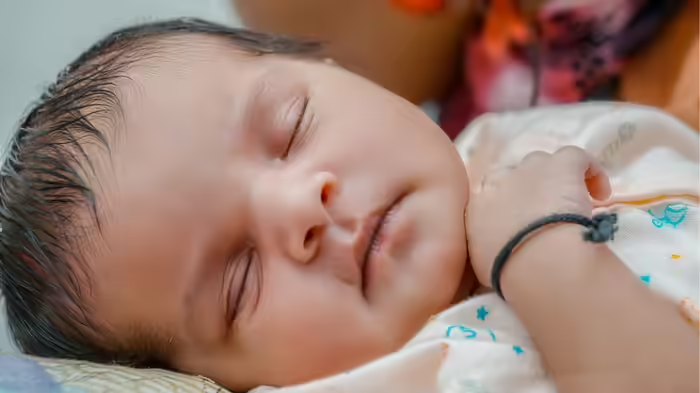
For new parents, winter can be a challenging season, especially when caring for a newborn. Babies are more sensitive to cold than adults, making them vulnerable to illnesses. Here’s expert advice from Dr. Manju Kumari, Consultant – Critical Care Medicine at Narayana Health SRCC Children’s Hospital, Mumbai, on how to protect your newborn and avoid life-threatening mistakes.
Protecting Your Baby from Cold: What Not to Do
Dr. Kumari advises that parents ensure the baby’s head and feet are always covered with a hat and socks. Keep the room comfortably warm. Never place a heavy blanket over a sleeping baby, as this increases the risk of SIDS (Sudden Infant Death Syndrome), a condition in which infants under one year can die in their sleep. Use lukewarm water for bathing and limit bath time to 2–3 minutes.
5 Essential Tips to Prevent Infections
Newborns are highly susceptible to infections. To minimize risk:
- Limit visitors during the first few weeks.
- Always wash hands thoroughly before handling the baby.
- Keep babies away from people with cold, flu, or other infections.
- Maintain a clean environment for sleeping, feeding, and play.
- Ensure all vaccinations are up to date and follow pediatrician guidelines.
Protect Against Winter Dryness
Dry indoor air and outdoor pollutants like smoke or smog can irritate a newborn’s skin and lungs. Dr. Kumari suggests:
- Apply a light, baby-safe moisturizer to prevent dryness. Avoid scented soaps.
- Use saline drops if the baby’s nose is congested, as recommended by your doctor.
Additional Precautions for Parents
Keep babies away from smoke, strong fragrances, incense, cooking fumes, and heater emissions. Ensure sleeping areas are clean, dust-free, and odorless. Seek immediate medical attention if your baby shows signs of respiratory distress, unusual sounds while breathing, or difficulty feeding.
Warning Signs Requiring Immediate Hospital Care
Parents should watch for:
- Rapid or labored breathing
- Refusal to feed or significantly reduced intake
- Fever or unusually low body temperature
- Extreme lethargy or poor responsiveness
- Bluish or unusually pale skin
Early medical intervention can prevent serious complications and ensure the safety of your newborn. Winter care requires vigilance, but with these precautions, parents can protect their babies and ensure a healthy start in life.
Discover more from SD NEWS agency
Subscribe to get the latest posts sent to your email.