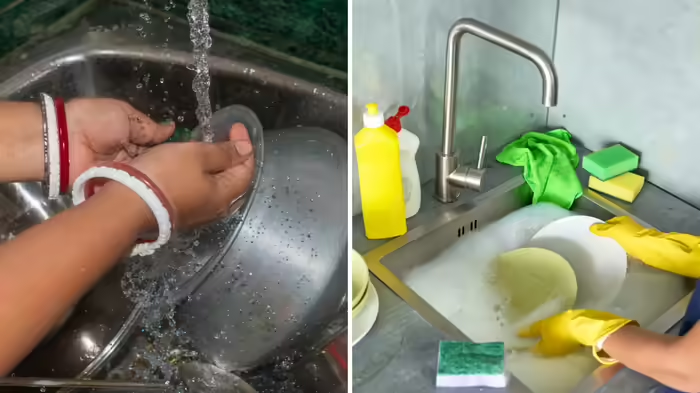
Winter brings its own set of challenges in the kitchen, and washing dishes in icy water is one of the toughest. The moment hands touch the freezing water, they go numb and fingers ache, making even a small pile of dishes feel like a daunting task. But with a few simple tips, you can make dishwashing in cold weather effortless and comfortable.
1. Wear Rubber Gloves
Using long rubber gloves is the most effective and easy way to protect your hands. Gloves prevent direct contact with water, keeping your hands warm while shielding them from harsh dishwashing chemicals.
2. Use Lukewarm Water
If possible, heat some water using a geyser or rod before washing dishes. Avoid boiling water; slightly lukewarm water is sufficient. It keeps your hands warm and makes it easier to remove stubborn grease and oil.
3. Try a Scrubber with Handle
Modern kitchen scrubbers often come with handles or built-in soap holders. These tools keep your fingers away from cold water and wet dishes, reducing hand exposure while speeding up the cleaning process.
4. Soak Dishes Beforehand
Ten minutes before washing, soak the dishes in a tub of lukewarm water with a little liquid soap. This softens food residues, allowing you to clean dishes quickly and minimizing the time your hands spend in cold water.
5. Choose the Right Time
Timing matters! Early mornings are usually the coldest. If possible, wash dishes in the afternoon or evening when the temperature is slightly warmer. If morning dishwashing is unavoidable, make sure to use warm water and gloves.
With these simple tips, washing dishes in winter can become a hassle-free task—no more numb fingers, no more shivering hands. Stay warm, stay efficient, and let the winter chill be no obstacle in your kitchen.
Discover more from SD NEWS agency
Subscribe to get the latest posts sent to your email.