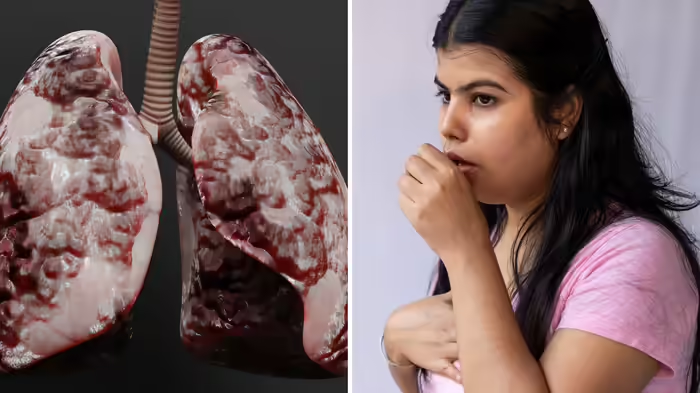
Lung cancer remains one of the deadliest diseases worldwide, with smoking long recognized as the primary cause. However, thousands of Indian women who have never smoked cigarettes or bidis are increasingly being diagnosed with this life-threatening condition.
The Hidden Causes:
Consultant Onco-Pulmonologist Dr. Mallikarjun from HCG Cancer Hospital, Bangalore, explains that the rise of lung cancer among non-smoking Indian women is linked to environmental exposures and genetic mutations rather than lifestyle failures.
1. Kitchen-Related Risks:
The National Cancer Registry Program highlights a strong link between indoor air quality and lung cancer. Poorly ventilated homes and cooking on biomass fuels, particularly in semi-urban areas, expose women to harmful smoke. High-heat frying and prolonged inhalation of these fumes significantly contribute to cancer risk.
2. Cultural Practices:
Incense sticks and dhoop (fragrant smoke used in rituals) are common in Indian households. In poorly ventilated spaces, the particulate matter from these practices accumulates in indoor air, damaging the lungs over time.
3. Genetic Mutations:
Studies indicate that a specific genetic mutation—EGFR (Epidermal Growth Factor Receptor)—is increasingly found in non-smoking Indian women with lung cancer. This mutation acts like a stuck “on-off switch” in cell growth, causing abnormal cell proliferation. Importantly, these mutations develop during life and are more common in Asian women, not inherited from family.
4. Air Pollution:
Urban air in India acts like a passive smoke environment. Vehicle emissions, construction dust, and industrial pollutants increase PM2.5 levels, which continuously harm the lungs. Women, having smaller lungs than men, are particularly vulnerable to the effects of polluted air.
Early Signs to Watch:
Persistent cough, difficulty breathing, and coughing up blood are key warning signs of lung cancer and should not be ignored.
Conclusion:
Even without smoking, women in India are at risk of lung cancer due to a combination of environmental, cultural, and genetic factors. Awareness, better ventilation, and timely medical check-ups are essential to reduce the risk.
Disclaimer: This article is for informational purposes only. Navbharat Times does not take responsibility for accuracy or efficacy. It is not a substitute for professional medical advice; consult a qualified doctor for diagnosis and treatment.
Discover more from SD NEWS agency
Subscribe to get the latest posts sent to your email.