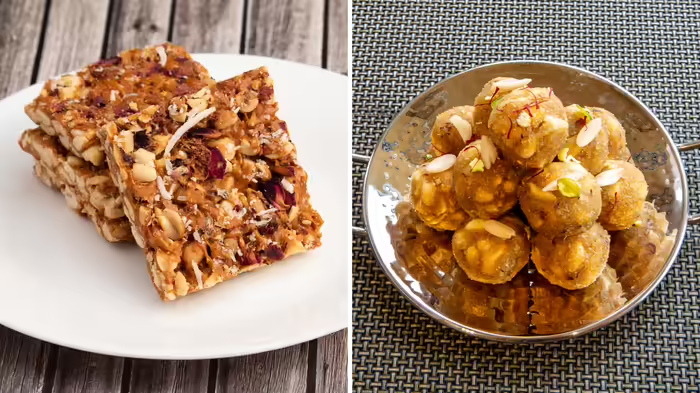
Makar Sankranti, Pongal, and Lohri mark the beginning of the harvest season in India. These festivals are celebrated with a variety of traditional sweets, often made with jaggery—a natural, unprocessed sweetener derived from sugarcane or palm sap. While jaggery is nutritionally superior to refined sugar, one common mistake in its consumption can affect your health.
Why Jaggery is Healthy
Jaggery contains natural minerals such as iron, magnesium, potassium, and calcium, along with simple sugars that provide instant energy. When combined with nuts and seeds in festive treats like til laddoos, peanut chikkis, or sweet pongal, it offers healthy fats and complex carbohydrates, keeping the body warm and energetic during winter. Additionally, jaggery aids digestion, activates digestive enzymes, reduces bloating, and helps prevent constipation. Its iron content can also help improve hemoglobin levels, benefiting those with mild anemia. Antioxidants and zinc in jaggery further support immunity.
The One Mistake to Avoid
Despite its benefits, jaggery is still a form of sugar. It has a similar caloric content to refined sugar and can raise blood glucose levels. People with diabetes, obesity, PCOD, or insulin resistance must consume jaggery cautiously and only under expert guidance. Overconsumption can lead to serious health issues.
Choosing Quality Jaggery
Not all jaggery is created equal. Some market varieties contain chemicals or artificial colors. Always buy organic, pure jaggery from trusted sources. Use it as a replacement for sugar, not alongside it, and enjoy it in moderation with nuts and fiber-rich foods.
Disclaimer: This article is for general informational purposes only and is not a substitute for professional medical advice. Consult your doctor for personalized guidance.
Discover more from SD NEWS agency
Subscribe to get the latest posts sent to your email.