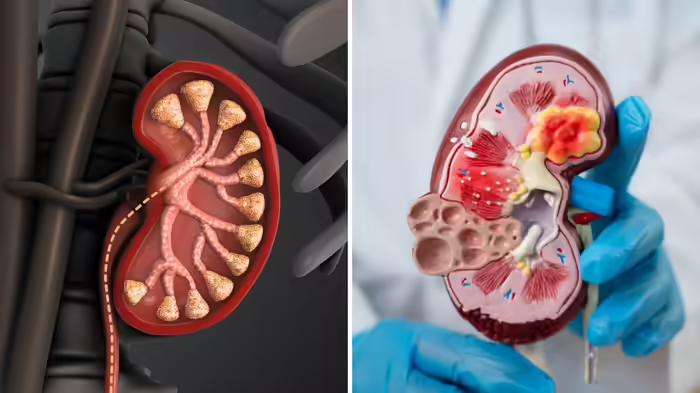
Kidney stone pain can be excruciating and may lead to several other complications, including blood in urine and a burning sensation while urinating. Stones can injure the inner lining of the urinary tract, making it crucial to take preventive measures.
Why Kidney Stones Are Dangerous
Never underestimate kidney stones. For those affected, the pain can feel like a nightmare. In severe cases, stones can even damage the kidneys from the inside, and other parts of the urinary tract may also suffer internal injury.
To prevent kidney stones or stop existing ones from growing, following the right dietary practices is essential. Dr. Priyanka Sahrawat, a general physician and neurologist, shares her expert advice on how kidney stones form and the steps you can take to prevent them.
How Kidney Stones Form
According to Dr. Sahrawat, most kidney stones are made of calcium oxalate. When the levels of calcium and oxalate in urine increase, they combine to form stones. Preventing their formation involves making small but important dietary adjustments.
1. Reduce Salt Intake
The first tip is to cut down on salt. Studies show that reducing daily salt consumption to less than 5 grams lowers calcium excretion in urine, reducing the risk of stone formation. All types of salt contain similar amounts of sodium, so moderation is key.
2. Adjust Your Diet: Increase Citrates and Reduce Oxalates
The second tip involves two dietary changes:
- Boost Citrates: Include citrate-rich fruits and vegetables such as lemon, orange, sweet lime, and kiwi. Citrates reduce calcium levels in urine, lowering stone risk.
- Limit Oxalates: Cut down on oxalate-heavy foods like spinach, sweet potatoes, and beets. Less oxalate in urine means fewer chances of calcium binding with oxalate to form stones.
3. Stay Well-Hydrated
The third tip is to increase water intake. Research confirms that drinking up to 2.5 liters of water daily can significantly reduce the risk of kidney stones. Many people remain under-hydrated, though patients with kidney failure or heart disease should consult their doctors before increasing fluid intake.
Disclaimer: The dietary tips mentioned are based on information shared on social media reels. Navbharat Times does not take responsibility for the accuracy or effectiveness of these remedies. Always consult a qualified healthcare professional before trying any preventive measures.
Discover more from SD NEWS agency
Subscribe to get the latest posts sent to your email.