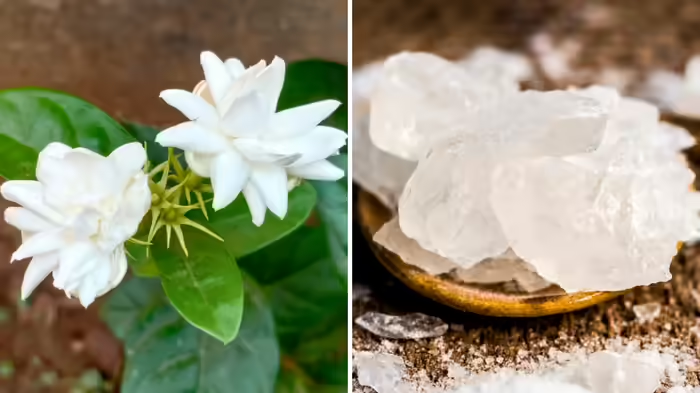
The subtle fragrance of jasmine flowers is loved by everyone. However, many gardeners often face a frustrating problem: their jasmine plants flourish with lush green leaves but produce few or no flowers. If your jasmine is giving you greenery but not blooms, experts from RV Garden suggest an inexpensive and effective solution.
A Simple, Cost-Effective Trick
According to RV Garden experts, you don’t need costly chemicals to make jasmine plants bloom. A small piece of alum, available for just 5 rupees, can work wonders. This tiny white piece improves the soil’s pH level, creating ideal acidic conditions for flower buds to develop.
How to Use Alum
Jasmine thrives in slightly acidic soil. If the soil pH is off, the plant cannot absorb nutrients effectively. Simply take a small piece of alum and bury it 2–3 inches deep in the potting soil. Each time you water the plant, the alum gradually dissolves, reducing the soil’s pH and making it more acidic. This helps the roots absorb nutrients efficiently and encourages flowering.
Pruning for Maximum Blooms
Jasmine flowers grow on new branches. Old, dry, or yellowing branches should be removed before the flowering season begins. Pruning stimulates the growth of fresh shoots, and the more new branches, the greater the number of blooms.
Importance of Sunlight
Jasmine is a sun-loving plant and should not be kept in shade. Ensure it receives at least 5–6 hours of direct sunlight daily. Adequate sunlight energizes the plant and encourages flower buds to bloom. If grown in a balcony, make sure the location is bright enough.
Soil Aeration
Compacted soil can stunt jasmine’s growth. Every 15 days, lightly loosen the top 1–2 inches of soil using a hand trowel. This allows oxygen to reach the roots and keeps the plant healthy. Avoid watering immediately after aeration—let the soil absorb sunlight for 2–3 hours before watering or fertilizing.
Homemade Organic Fertilizers
Along with alum, you can use simple household items to enrich the soil. Rinse and dry used tea leaves, then mix two tablespoons into the soil once a month. Onion peel soaked overnight in water can also be applied to the roots; the potassium in the water helps increase flower production.
Proper Watering
Jasmine prefers moist, well-drained soil. Overwatering can lead to root rot and dropping buds. Water the plant in the morning or evening. In summer, if the soil dries quickly, lightly mist the plant to keep the leaves fresh and hydrated.
By following these expert tips, your jasmine plant can flourish with lush green leaves and an abundance of fragrant, white blooms, all without expensive fertilizers or chemicals.
Discover more from SD NEWS agency
Subscribe to get the latest posts sent to your email.