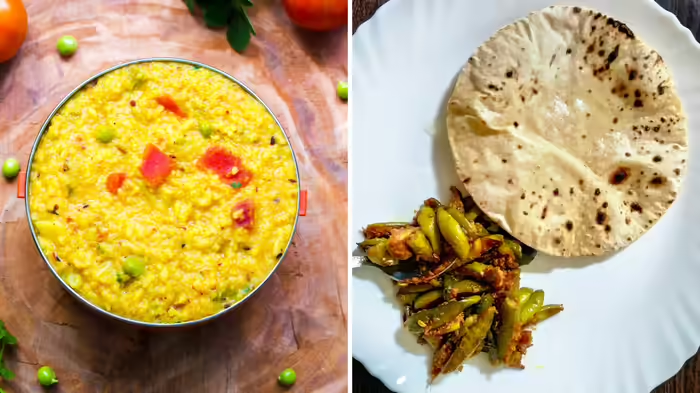
Home-cooked meals are often considered essential for a full stomach. For many, a meal isn’t complete without roti, sabzi, dal, and rice. But are these meals truly healthy? Oncologist Dr. Akshay Kelkarani believes otherwise and suggests modifications to make traditional Indian meals more nutritious and balanced.
The Indian Diet Under the Microscope
For most Indians, home-cooked food is a blessing—light on the stomach, easy to prepare, fresh, hygienic, and safe from infections. However, according to Dr. Kelkarani, these meals are often nutritionally imbalanced.
Citing recent ICMR surveys, he noted that Indians consume over 50% more salt than recommended and exceed their daily calorie requirement by 60%, mostly from carbohydrate-rich foods like wheat and rice. “We are consuming twice the necessary carbohydrates because a meal without roti or rice feels incomplete,” he explained.
The Health Risks
India is already considered the diabetes capital of the world, and cases of hypertension, heart disease, fatty liver, and obesity are rising. Despite eating home-cooked meals, many fail to understand why they are developing these conditions. The answer lies in the nutritional imbalance of traditional diets.
Carb-Heavy Meals
Most traditional Indian meals—dosa, poha, dal-rice, roti-sabzi—consist of 70–80% carbohydrates. Protein intake is insufficient, while oil, salt, and carbs dominate the diet.
Protein Is Key
Dr. Kelkarani advises that adults should consume 1 gram of protein per kilogram of body weight daily to maintain muscle mass. Those aiming to build muscle will require higher protein intake.
Simple Ways to Improve Your Diet
- Include a protein source in every meal—vegetarian or non-vegetarian, according to preference.
- Reduce salt and oil as much as possible.
- Incorporate raw or lightly steamed vegetables and salads.
- Replace traditional grains like wheat or rice with healthier alternatives such as millets—bajra, ragi, or jowar.
Disclaimer: The dietary suggestions mentioned are based on an Instagram video by Dr. Akshay Kelkarani. NBT does not guarantee the accuracy or effectiveness of the advice. Always consult a qualified health professional before making dietary changes.
Discover more from SD NEWS agency
Subscribe to get the latest posts sent to your email.