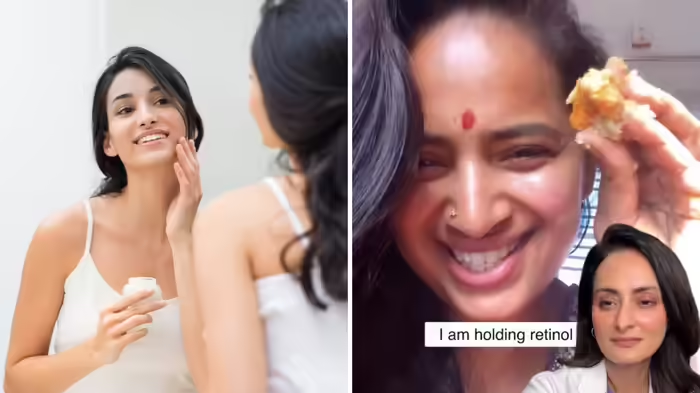
A viral social media video featuring a 41-year-old woman with visibly flawless and glowing skin has ignited a fresh debate in the skincare world. The woman claims that she does not apply retinol-based creams on her face but instead “eats retinol” through her daily diet. The statement quickly caught public attention, prompting a professional response from renowned dermatologist Dr Aanchal Panth.
Understanding Retinol and Its Role
Retinol is a derivative of Vitamin A and is widely regarded as one of the most effective ingredients in modern skincare. It is commonly found in creams, serums and lotions, and is known for its anti-ageing properties, ability to improve skin texture, reduce fine lines, and help manage acne. Over the years, retinol has become a cornerstone of dermatological skincare routines.
What the Viral Video Claims
In the video, the woman suggests that retinol can be consumed naturally through food rather than applied topically. She recommends including carrot, sweet potato and amla in the daily diet. According to her method, carrots and sweet potatoes should be steamed, mashed together, and mixed with ghee and jaggery powder, while amla should be consumed separately. She claims this combination supplies the body with sufficient “retinol” to maintain youthful skin.
Dermatologist’s Expert Opinion
Reacting to the video, Dr Aanchal Panth clarified that while the suggested foods are undeniably healthy and beneficial for overall wellbeing, they cannot replace topical retinol creams. She explained that dietary sources provide beta-carotene and Vitamin A, which support general health and skin nourishment, but they do not deliver the same targeted effects as topical retinol.
“Eating these foods will improve your health and may enhance skin glow, but they cannot provide the specific anti-ageing benefits that retinol creams offer,” Dr Panth stated.
How Retinol Creams Work
- Applied directly to the skin, acting on targeted areas
- Gradually converts into its active form within the skin
- Works in a controlled and localized manner
- Improves fine lines, texture, pigmentation and acne
In contrast, oral Vitamin A travels through the bloodstream and affects the entire body, not just the skin. This widespread distribution limits its ability to address specific skin concerns such as wrinkles or uneven texture.
Diet vs Cream: What’s the Right Approach?
According to dermatologists, oral Vitamin A cannot replace topical retinol creams when it comes to visible skin renewal. A balanced diet supports skin health from within, while retinol creams work externally to repair and rejuvenate skin layers.
Experts recommend a combined approach—maintaining a nutritious diet alongside dermatologist-approved skincare products—for optimal and long-lasting skin benefits.
Conclusion
Healthy food choices are essential for good skin, but they are not a substitute for clinically proven skincare treatments. For those seeking effective anti-ageing results, experts advise using retinol creams responsibly, along with a nutritious diet, rather than choosing one over the other.
Discover more from SD NEWS agency
Subscribe to get the latest posts sent to your email.