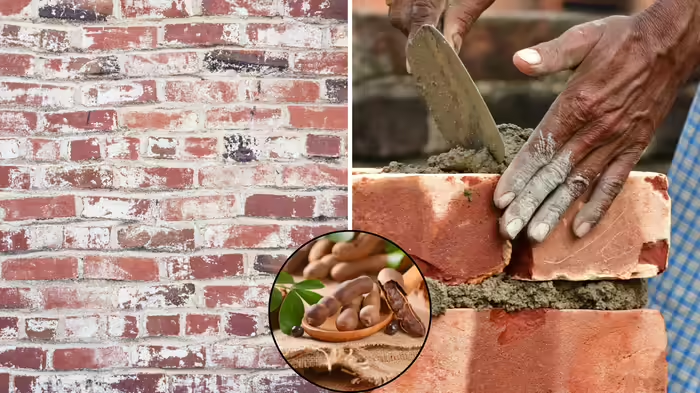
White deposits or efflorescence on newly constructed brick walls is a common problem that not only weakens bricks but can also damage plaster and paint. According to civil engineer Amit Singh, the main cause is the salt present in soil and water. He has shared a simple and effective home remedy using tamarind, which can help remove these deposits cheaply and safely.
What is Efflorescence and Why Does It Occur?
The white layer that appears on red bricks is locally called “shora” or “nona”, and in civil engineering it is known as efflorescence. It occurs when salts from the soil or the water used during construction rise to the surface of the brick as a white powder. Many people make the mistake of washing it with water, thinking it’s ordinary dirt. This can worsen the problem, as water pushes the salts deeper into the bricks, causing more efflorescence later.
Mistakes to Avoid
- Do not wash the walls immediately with water.
- Avoid using salty water for cleaning, as it exacerbates the issue.
- Allow the bricks to dry and treat them properly before plastering to prevent recurrence.
A Simple Tamarind Remedy
Amit Singh recommends an inexpensive tamarind-based solution:
- Soak 1 kg of tamarind in 10 liters of lukewarm water overnight.
- In the morning, mash the tamarind well to extract the pulp, then strain the liquid.
- This acidic solution neutralizes the salts inside the bricks.
Application Method
- Using a paintbrush, apply the tamarind solution to the affected wall like a coat of paint.
- Let it dry for 24 hours.
- Apply a second coat for maximum effect.
This process can reduce the effects of efflorescence by up to 90%, as the acidity of tamarind counteracts the salts chemically.
Cost and Coverage
This method is both safe and affordable. Ten liters of tamarind solution can cover approximately 1,500 square feet, making it a cost-effective alternative to expensive chemical treatments. It helps protect your plaster and paint while preserving the structural integrity and appearance of your walls.
Discover more from SD NEWS agency
Subscribe to get the latest posts sent to your email.