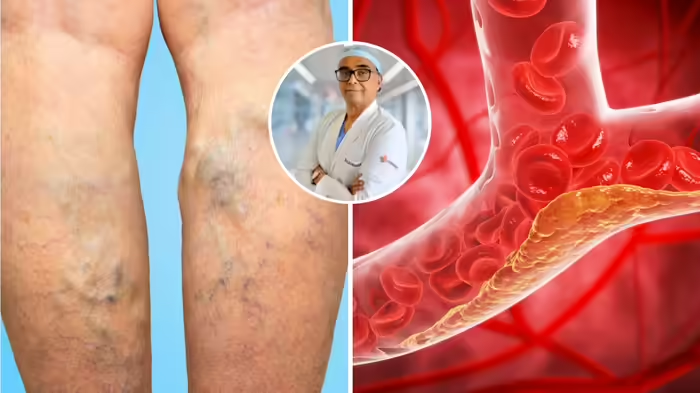
During winter, some people may experience a serious condition resembling an allergy in their blood vessels, where the veins constrict and reduce blood flow. Individuals with diabetes, smokers, or those with pre-existing weak veins are at higher risk. Medanta Hospital vascular surgeon Dr. Rajiv Parkh shares simple precautions and remedies to manage this condition.
Understanding Blood Vessel Allergies in Cold Weather
Many assume allergies only affect the skin, causing itching, redness, or rashes. However, cold-induced vascular reactions can cause the veins to constrict, slowing or even temporarily stopping blood flow. This can lead to numbness, a bluish tint, or a cold sensation in the affected areas. Swelling may occur, and prolonged lack of blood flow can damage tissues if not addressed promptly.
Who Is Most at Risk?
- Individuals with diabetes
- Smokers
- People with weak or narrow veins
Prevention and Home Remedies
Dr. Rajiv emphasizes the importance of staying warm and protecting the extremities during winter. Recommended measures include:
- Wear multiple layers of clothing when going outdoors.
- Use cotton socks first, then layer with woolen socks for extra warmth.
- Keep hands and feet covered.
- Avoid staying in extremely cold environments for prolonged periods.
- Quit smoking completely, as it worsens vascular health.
- If hands or feet become very cold, use a warm water bottle gradually—avoid direct high heat.
- Do not apply excessively hot items directly on the skin or veins, as it may cause damage.
When to See a Doctor
If symptoms such as numbness, pain, swelling, or color changes worsen despite preventive measures, consult a doctor or vascular specialist immediately. Doppler tests can determine which veins are affected and to what extent, allowing timely treatment.
Medical Treatment for Severe Cases
In severe cases, treatment may include procedures similar to heart interventions, such as ballooning or stent placement in the affected veins. Blood-thinning medications are often prescribed to improve circulation. Following the doctor’s guidance on medication and care is crucial for effective results.
Key Takeaway
Allergic reactions or inflammation in blood vessels should never be ignored. Cold exposure, diabetes, and smoking increase risks. Timely precautions, proper care, and medical consultation can prevent complications.
Disclaimer: This article is for general information only and is not a substitute for professional medical advice. Consult your doctor for personalized guidance. NBT does not take responsibility for accuracy or outcomes.
Discover more from SD NEWS agency
Subscribe to get the latest posts sent to your email.