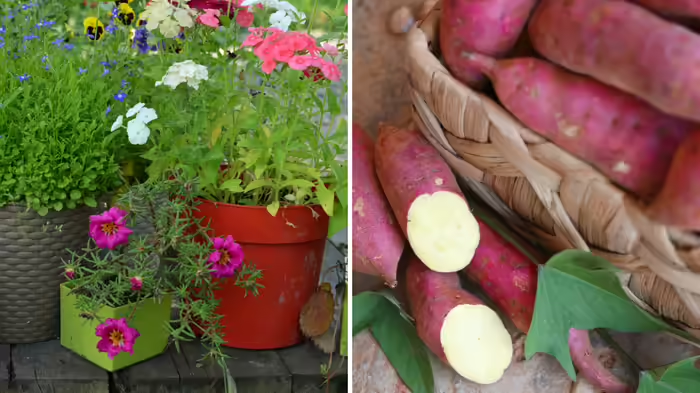
Did you know that common kitchen ingredients like sweet potato and jaggery can work wonders for your garden? According to gardening expert Vidushi Malik from Alpha Vatika, soaking sweet potatoes and jaggery in water creates a nutrient-rich liquid fertilizer that promotes healthy, flowering plants with vibrant green leaves.
Preparing the Liquid Fertilizer
Start with one or two medium-sized sweet potatoes. Cut them into small pieces and place them in a glass or plastic jar filled with water. The nutrients from the sweet potato dissolve easily into the water, allowing plant roots to absorb them quickly.
Jaggery and Fermentation
Add a small amount of jaggery to the jar. The jaggery acts not just as a sweetener but as a catalyst, feeding the beneficial bacteria in the water and accelerating fermentation. Cover the jar and keep it in a shady spot for one week. After this period, the mixture transforms into a powerful organic fertilizer.
High in Potassium
Sweet potatoes are rich in potassium, which works for plants much like calcium does for humans. Potassium strengthens plants’ immune system and encourages blooming. Flowers on hibiscus, roses, or allamanda that were previously sparse will thrive when nourished with this fertilizer.
Magnesium Boost and Chlorophyll Formation
During fermentation, the solution releases magnesium, a key element in chlorophyll production. This helps plants convert sunlight into energy efficiently. Adequate magnesium results in deep green, glossy, and healthy leaves, giving the plants a robust and vibrant appearance.
How to Use the Fertilizer
After one week, you will get a thick liquid. Do not apply it directly to leaves, as jaggery may make them sticky. Instead, dilute the fertilizer in a 1:4 ratio with water and pour it into the soil around the plants.
Benefits for Soil and Plants
This organic fertilizer not only nourishes plants but also improves soil structure. The jaggery encourages the growth of good bacteria, which aerates the soil and enhances fertility. Healthy soil leads to stronger root development and long-lasting soil quality.
With this simple, low-cost method, you can create a completely organic fertilizer that promotes flowering, vibrant foliage, and overall plant health—all without chemical inputs.
Discover more from SD NEWS agency
Subscribe to get the latest posts sent to your email.