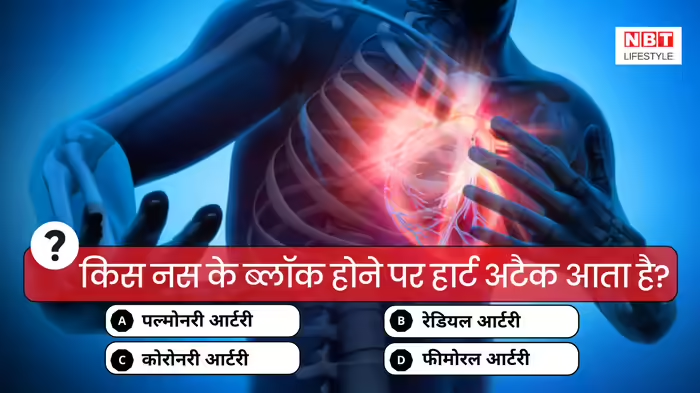
Heart attacks are one of the leading causes of death, yet awareness about the exact cause remains limited. Knowing which artery blockage can trigger a heart attack is crucial, as incomplete or incorrect information can be harmful to your heart health. Test your knowledge with this health quiz!
The Big Question:
Heart attacks occur due to a blocked blood vessel, but which specific artery is primarily responsible? Is it the pulmonary artery, radial artery, coronary artery, or femoral artery?
Quiz Answer:
The correct answer is the coronary artery.
Blockages in the coronary artery are the most common cause of heart attacks. Plaque buildup in these arteries restricts the flow of oxygen-rich blood to the heart, triggering a cardiac event.
Are Blockages in Other Arteries Dangerous?
Yes, blockages in arteries such as the pulmonary artery, aorta, or radial artery can also pose serious health risks. While they do not directly cause a heart attack, they force the heart to work harder to pump blood. In extreme cases, this can increase the risk of a heart attack. Additionally, plaque from other arteries can sometimes break off and travel to the coronary arteries, becoming a major cause of a heart attack.
Warning Signs of a Heart Attack:
- Chest pain or tightness
- Pressure or heaviness in the chest
- Pain radiating to the jaw, shoulder, or left arm
- Cold sweat
- Shortness of breath
- Fatigue or dizziness
- Loss of consciousness
Disclaimer: This article is intended for general information only. Navbharat Times does not guarantee the accuracy or efficacy of the content and it should not replace medical advice. Always consult your doctor for guidance on heart health or treatment.
Discover more from SD NEWS agency
Subscribe to get the latest posts sent to your email.