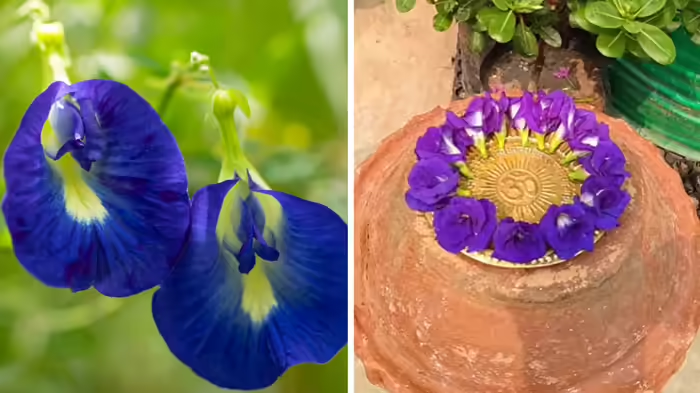
Aparajita, the blue-flowered creeper revered in Lord Shiva worship, is known for its vibrant blossoms. If your plant seems full of leaves but barren of flowers, there’s no need to worry. Gardeners say that with proper care, sunlight, and nutrition, you can enjoy continuous blooms—perfect for offering to Lord Bholenath.
The Sacred Blue Flower
Also called “Vishnupriya” or “Shankhpushpi,” the Aparajita vine is celebrated for its beautiful blue flowers. It is believed that Lord Shiva favors this flower, and offering it brings prosperity and happiness. However, many gardeners notice their plants stop flowering or begin to wither over time.
Key Tips for Continuous Flowering
Aparajita is a fast-growing creeper, but to ensure it blooms consistently, it requires special care and nutrition. Gardening experts emphasize dead-heading, correct fertilization, and proper sunlight as essential practices to keep your plant flowering abundantly.
1. Remove Withered Flowers Immediately
The first rule for continuous flowering is dead-heading. As soon as a flower withers, remove it. If dried flowers remain, the plant will divert energy toward seed production, reducing new blooms.
2. Monthly Vermicompost Feeding
Boost the soil’s fertility by applying vermicompost at least once a month. Rich in nitrogen and essential micronutrients, it strengthens roots and increases the number of flowers.
3. Banana Peel Liquid Fertilizer
Potassium is crucial for flower production. Soak banana peels in water for 2–3 days, then pour this liquid near the roots of your Aparajita. This acts as a natural flower booster, and you’ll notice buds appearing within days.
4. Provide Adequate Sunlight
Aparajita thrives in sunlight. Place your plant where it receives 4–5 hours of direct sunlight daily. In shaded areas, vines may grow long, but flower production will be limited.
5. Pinching for Dense Growth
To encourage bushier growth, lightly pinch the top shoots. Breaking the tip stimulates two new branches, creating more flowering sites and filling your vine with blooms.
6. Maintain Proper Soil Moisture
Keep the soil lightly moist, avoiding waterlogging. Excess water can rot roots and cause flowers to drop, while overly dry soil stresses the plant and reduces blooming. Water only when the top layer of soil begins to dry.
By following these simple steps, your Aparajita plant can flower abundantly, ensuring a steady supply of blue blossoms for worship and decoration.
Discover more from SD NEWS agency
Subscribe to get the latest posts sent to your email.