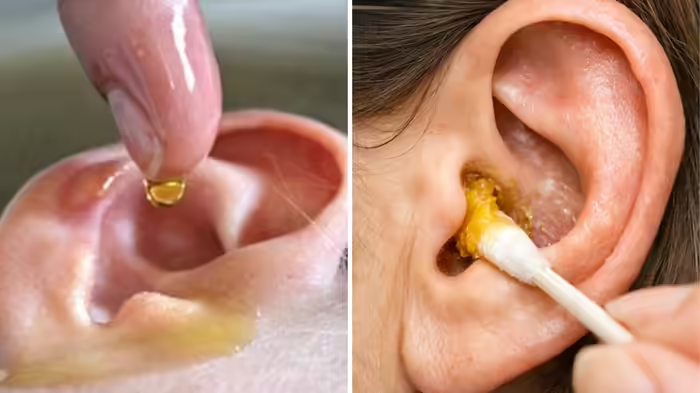
Earwax, medically known as cerumen, is a natural and self-cleaning substance produced inside the ear canal. It plays an important role in protecting the ears from dust, bacteria and other foreign particles. However, excessive buildup of earwax can sometimes lead to discomfort, pain and hearing problems.
ENT specialists caution that inserting cotton buds, matchsticks, hairpins or pouring hot oil into the ears can be dangerous and may worsen the problem instead of solving it.
Why Excess Earwax Can Be a Problem
Under normal circumstances, earwax moves outward on its own while talking or chewing and falls off naturally. But when it accumulates excessively, people may experience symptoms such as:
- A feeling of heaviness or blockage in the ear
- Mild to severe ear pain
- Itching inside the ear
- Ringing or buzzing sounds (tinnitus)
- Reduced hearing or dizziness
In such cases, consulting an ENT doctor is strongly advised.
Safe Ways to Manage Earwax
According to ENT specialist Dr. Divya Badanidiyur, unsafe practices like using sharp objects or cotton buds should be strictly avoided. Instead, doctors recommend the following safe approaches:
- Clean Only the Outer Ear:
The outer part of the ear can be gently cleaned using a soft, damp cloth. Even if earbuds are used, they should never be inserted deep into the ear canal. - Use Earwax Softening Drops:
Medical-grade earwax softener drops, easily available at pharmacies, can help soften hardened wax. These drops may be used for a few days as advised, after which professional removal becomes easier and safer. - Professional Medical Removal:
ENT doctors examine the ear using instruments such as an otoscope or microscope. Wax is then safely removed using specialized tools like suction devices, curettes or controlled syringing. This method minimizes the risk of injury or infection.
Practices to Avoid
Doctors strongly warn against:
- Pushing earwax deeper with cotton buds
- Using sharp or pointed objects inside the ear
- Ear candling, which may cause burns
- Washing ears forcefully with water at home, as it can lead to infection or even eardrum damage
When to See an ENT Doctor
If ear blockage persists despite basic care, or if there is pain, hearing loss or ringing in the ears, medical consultation is essential. Experts also recommend a routine ENT check-up at least once a year for overall ear, nose and throat health.
Disclaimer: This article is for general information purposes only and does not substitute professional medical advice. Readers are advised to consult qualified doctors for diagnosis and treatment.
Discover more from SD NEWS agency
Subscribe to get the latest posts sent to your email.