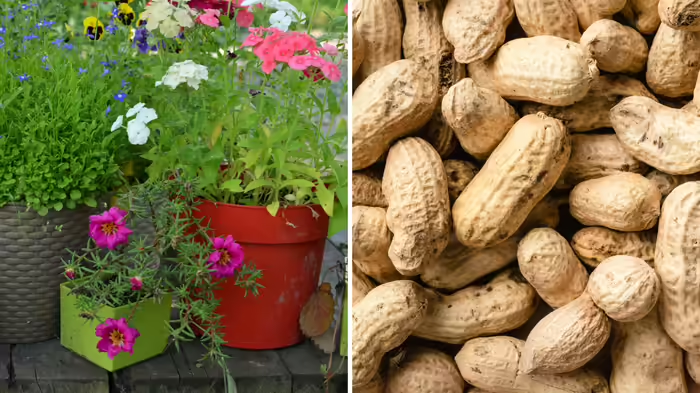
Many people throw away peanut shells or drop them straight into plant pots, assuming they will naturally benefit the soil. However, noted environmentalist Peepal Baba warns that using peanut shells directly in pots can do more harm than good. The correct approach, he says, is to compost them first.
Peanut shells are extremely hard and slow to decompose. When placed directly in soil, they can take four to six months to break down, during which time they may attract ants, fungus, and pests. Instead of helping plants, they can temporarily disturb soil balance.
Why Direct Use Can Harm Plants
According to Peepal Baba, raw peanut shells absorb moisture from the soil and begin pulling nitrogen during decomposition. This can slow plant growth and weaken roots. The shells may also create pockets where insects and fungal growth thrive, increasing the risk of plant damage.
Preparing Shells for Compost
To safely reuse peanut shells, first collect them in large quantities. If the shells come from salted peanuts, rinse them thoroughly and dry them. Crushing or breaking the shells into smaller pieces speeds up decomposition.
The Layering Compost Method
Use a compost bin or earthen container. Start with a base layer of dry leaves or cardboard. Add a thick layer of peanut shells, then cover with a layer of soil or old compost. To accelerate decomposition, sprinkle jaggery water or diluted buttermilk, which activates beneficial bacteria.
Maintaining Moisture and Airflow
Composting requires balanced moisture. Lightly spray water regularly to keep the mixture damp but not soggy. Every 10 to 15 days, turn the compost using a stick to allow airflow. This prevents odor and helps the shells convert into fertile compost within two to three months.
How to Use the Finished Compost
Once the shells turn dark and crumbly, the compost is ready. Mix it into existing soil before planting, or spread a two-inch layer over the topsoil of pots. It can also be blended with vermicompost to improve soil texture and aeration.
Mulching as an Alternative
For those who prefer not to compost, peanut shells can be used as mulch — but only after washing and drying them. Spread a thin layer over the soil surface during summer to retain moisture and protect roots from direct sunlight. Remove the mulch during the rainy season to prevent fungal growth.
Peepal Baba emphasizes that smart reuse of kitchen waste not only saves money but also strengthens soil health. With proper composting, peanut shells become a natural source of nitrogen and potassium, helping gardens thrive without chemical fertilizers.
Discover more from SD NEWS agency
Subscribe to get the latest posts sent to your email.