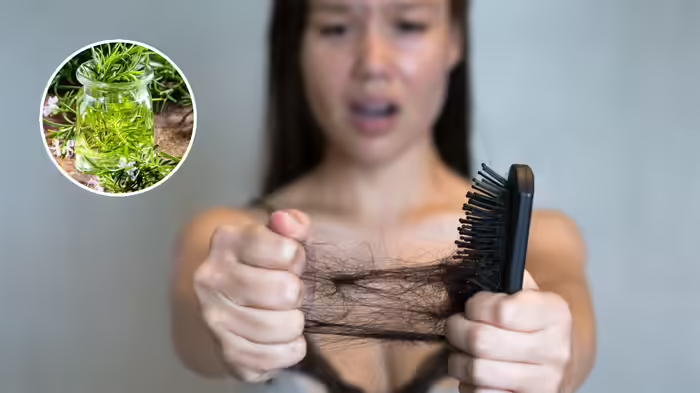
Rosemary oil has long been touted as a natural solution to reduce hair fall and strengthen hair. But is it truly effective, or is it just another home remedy hype? Dermatologist Dr. Chandni Jain Gupta clarifies the science behind this popular oil.
What Science Says
A study conducted by the Center of Biotechnology Information compared the effects of rosemary oil and 2% minoxidil on hair growth. Participants were divided into two groups and treated for three months. Surprisingly, no significant difference was observed between the two groups in terms of hair growth.
Despite this, rosemary oil is still widely used due to its reputed benefits.
Common Benefits of Rosemary Oil
According to general observations and traditional use, rosemary oil is believed to:
- Reduce dandruff
- Promote hair growth
- Decrease hair fall
- Delay the appearance of grey hair
Dermatologist’s Perspective
Dr. Chandni Gupta, MD, Dermatologist at Elantis Healthcare, explains that rosemary oil contains antioxidants and anti-inflammatory properties that help improve scalp health. Some scientific studies suggest that it can enhance blood circulation in the scalp, providing better nourishment to hair follicles, which may support hair growth.
This is particularly helpful for people experiencing androgenic alopecia (pattern hair loss). However, it is important to note that rosemary oil is not a miracle solution. Visible results typically require consistent use for 3 to 6 months.
How to Use Rosemary Oil Safely
- Do not apply rosemary oil directly to the scalp.
- Mix it with a carrier oil, such as coconut or almond oil, before application.
- Perform a patch test, especially for sensitive skin, to avoid irritation or allergic reactions.
Managing Hair Fall
For significant hair loss accompanied by scalp itching, redness, or flaking, relying solely on home remedies is not recommended. Consult a qualified dermatologist for personalized treatment. This ensures long-term healthy, strong, and shiny hair.
Disclaimer: This article is for informational purposes only. Individual skin and hair types vary, so always perform a patch test before trying any remedy. Consult a dermatologist before use. NBT does not take responsibility for accuracy, efficacy, or results of home remedies mentioned.
Discover more from SD NEWS agency
Subscribe to get the latest posts sent to your email.