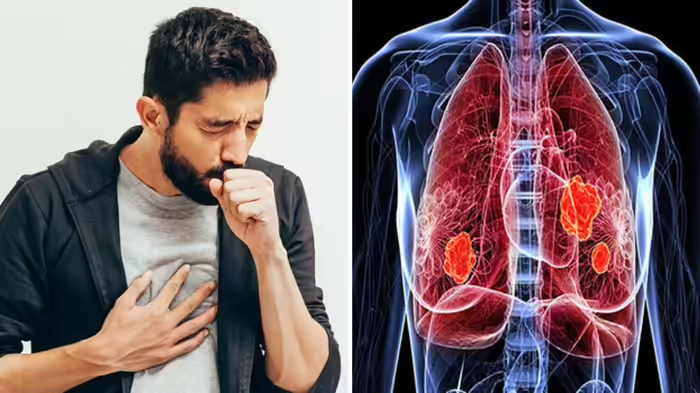
Doctors caution against underestimating a dry cough caused by air pollution. Seeking timely medical advice can prevent serious complications and help maintain long-term lung health.
Pollution and Its Impact on Lungs
With rising air pollution levels, fine particulate matter such as PM 2.5 and PM 10 can enter the lungs through inhalation. These particles cause inflammation and damage the delicate inner lining of the lungs. Children are especially vulnerable, as their lungs are still developing. A persistent dry cough should never be ignored, as it may indicate a more serious underlying condition.
When to Consult a Doctor
According to Dr. Rajesh Bhardwaj, Consultant at Medfirst ENT Centre, if a dry cough lasts more than 2–3 weeks, it is important to consult a doctor. Persistent cough can signal inflammation or other lung-related diseases.
Don’t Ignore Thick Phlegm
Long-lasting cough accompanied by thick or excessive phlegm warrants medical attention. Doctors may recommend a chest X-ray or lung examination, and phlegm tests to check for infection or other conditions.
Difficulty Breathing or Wheezing
Coughing along with shortness of breath or a whistling sound while breathing may indicate constricted airways or severe inflammation. In such cases, treatments like inhalers, bronchodilators, or nebulization may be advised to provide relief.
Hoarseness or Sore Throat
Pollution can also cause voice changes or throat irritation, often signaling inflammation in the larynx or windpipe. Steam inhalation and maintaining room humidity can help. For persistent issues, doctors may suggest laryngoscopy to evaluate the airway.
Nasal and Sinus Effects
Air pollution impacts the nasal passages and sinuses, leading to conditions like rhinitis or sinusitis. A common symptom is post-nasal drip, where mucus drips down the throat. Consulting an ENT specialist is recommended if this occurs.
Fever or Weight Loss
If a dry cough is accompanied by fever, loss of appetite, or rapid weight loss, it could signal a serious lung condition. Immediate medical evaluation, including a chest X-ray, is advised.
Simple Preventive Measures
To relieve pollution-related cough:
- Drink warm fluids throughout the day to keep airways hydrated.
- Regular steam inhalation helps thin mucus and expel trapped particles.
- Use nasal rinses or a neti pot to clean nasal passages safely.
- Wear a mask when venturing into highly polluted areas to protect the lungs.
Disclaimer: This article provides general information only and should not be considered a substitute for professional medical advice. For specific concerns, consult a qualified doctor.
Discover more from SD NEWS agency
Subscribe to get the latest posts sent to your email.