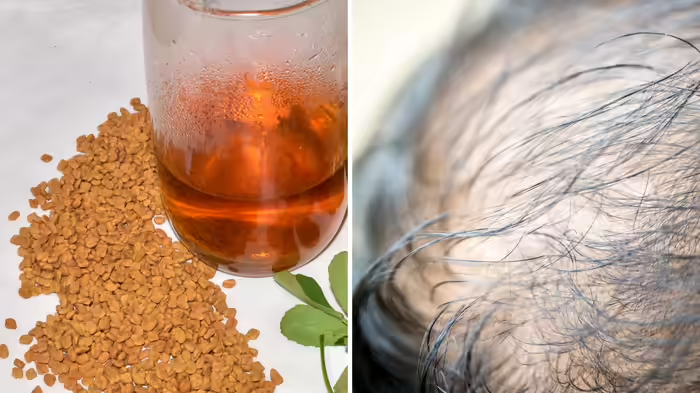
Many people spend a fortune on hair care products to strengthen their hair and improve growth. However, effective results can often be achieved naturally at home using simple ingredients like fenugreek seeds (methi). Holistic expert Dr. Pragati shares three easy ways to use soaked fenugreek seeds for stronger, healthier hair.
Why Fenugreek Is Beneficial for Hair
Fenugreek seeds are a natural treatment rich in protein and nicotinic acid. These nutrients help reduce hair fall, control dandruff, strengthen hair roots, and nourish both the scalp and hair. Regular use can also promote hair growth and shine.
Three Simple Ways to Use Fenugreek Seeds
- Fenugreek Water Spray
Soak 2 tablespoons of fenugreek seeds overnight in water. Strain the water into a spray bottle the next morning. Use this as a hair mist to add strength and shine. - Fenugreek-Infused Coconut Oil
Warm ½ cup of coconut oil on low heat and add 2 tablespoons of fenugreek seeds. Let it cool slightly before straining. Massage the oil into the scalp and hair, leaving it for a few hours before washing. This promotes hair growth and nourishment. - Fenugreek Hair Mask
Mix 1 tablespoon of fenugreek powder with 4 tablespoons of yogurt. Apply the mask to the scalp and hair for 30 minutes, then rinse with a mild shampoo. This naturally moisturizes the hair and improves texture.
Tips for Healthy Hair Growth
Dr. Pragati emphasizes that these DIY remedies are safe and effective for regular home use. However, those facing long-term hair problems should consult a specialist rather than self-treating continuously.
With these simple methods, you can strengthen hair, reduce fall, and boost growth naturally—without relying on expensive products.
Discover more from SD NEWS agency
Subscribe to get the latest posts sent to your email.