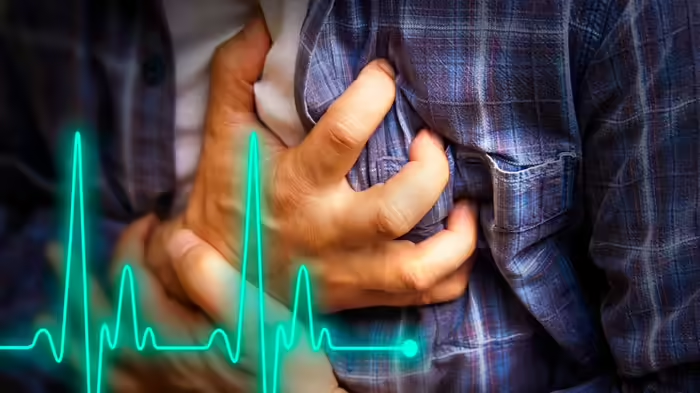
Heart diseases can be extremely serious, and ignoring early warning signs can prove life-threatening. Even conditions like bradycardia, which are usually manageable, can become dangerous if left untreated. The good news is that bradycardia can often be detected easily by checking your heartbeat. Cardiologists explain the symptoms, causes, and treatment options for this condition.
Highlights:
- The heart’s natural pacemaker
- Slow heartbeats reduce oxygen supply to vital organs
- Causes of bradycardia
- Leadless pacemakers as a treatment option
What is Bradycardia?
Bradycardia occurs when the heart beats abnormally slowly. According to Dr. Viveka Kumar, Chairman of Cardiology at Max Super Speciality Hospital, a normal heartbeat ranges from 60 to 100 beats per minute. If your heartbeat drops below 60 per minute, it could indicate bradycardia.
How to Check Your Heart Rate
You can measure your pulse manually for one minute. If it consistently stays below 60 beats per minute and is accompanied by symptoms, consult a doctor immediately.
Effects of Bradycardia on the Body
The SA node, known as the heart’s natural pacemaker, sends electrical signals that control heartbeats. In bradycardia, these signals weaken or slow down, reducing blood flow and oxygen supply to the body and vital organs.
A slow heartbeat can lead to fatigue, dizziness, lightheadedness, shortness of breath, confusion, and even fainting. It’s important to note that athletes or very fit individuals may naturally have slower heart rates, but if symptoms appear, medical advice is essential.
Causes of Bradycardia
- Aging
- Pre-existing heart conditions
- Damage to the heart’s electrical system
- Certain medications
- Diabetes, high blood pressure, and electrolyte imbalances
Diagnosis and Treatment
Bradycardia is usually diagnosed through an ECG, and sometimes a Holter monitor is used to track regular heart rhythms. Treatment depends on the severity and underlying cause. Mild cases can be managed with medication and lifestyle changes. Severe cases may require a pacemaker.
Leadless Pacemakers: A Modern Solution
Traditional pacemakers are effective but carry risks associated with wires. Modern leadless pacemakers offer a minimally invasive option with faster recovery. Most patients resume a normal life after implantation.
Disclaimer: This article is for general informational purposes only and is not a substitute for professional medical advice, diagnosis, or treatment. Always consult a doctor for more detailed guidance.
Discover more from SD NEWS agency
Subscribe to get the latest posts sent to your email.