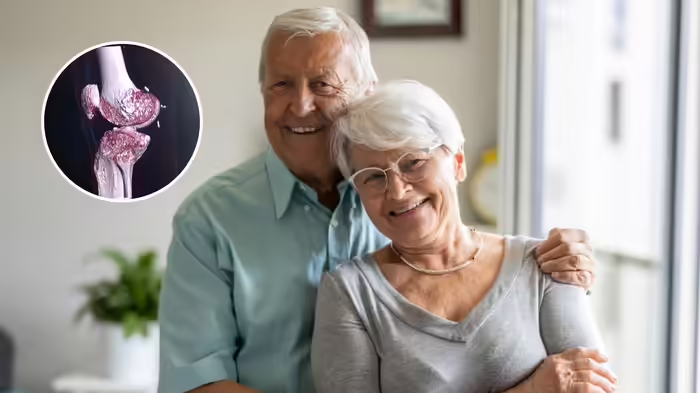
Fractures are a common concern among the elderly, but most people are unaware of the underlying cause. While injuries or falls are often blamed, doctors reveal that the real culprit is weakened bones. Even minor accidents or a small slip can result in fractures if bone strength is compromised.
Understanding the Risk
Dr. Subhasis Saha, Chief of Laboratory Operations at Metropolis Healthcare Limited, West Bengal, explains that most fractures in elderly individuals can be prevented with early detection. A simple routine blood test can identify deficiencies and help strengthen bones before serious issues arise.
Why Bones Weaken with Age
As people age, levels of calcium and essential minerals decline, causing bones to become thin and fragile—a condition known as osteoporosis. Often symptomless, osteoporosis increases the risk of fractures in the hip, wrist, and spine. Dr. Saha notes that such fractures frequently require bed rest, surgical repair, and additional support, making prevention critical.
Common Causes of Bone Weakness
- Insufficient intake of calcium, vitamin D, and protein
- Lack of sun exposure leading to vitamin D deficiency
- Inactivity reducing bone density and muscle strength
- Chronic conditions such as kidney disease, thyroid issues, or hormonal imbalances
- Long-term use of steroids or certain medications causing bone damage
What a Routine Blood Test Reveals
- Vitamin D levels: Helps calcium absorption
- Calcium levels: Primary component of bones
- Thyroid function: Overactive thyroid accelerates bone breakdown
- Parathyroid hormone (PTH): Maintains calcium balance
- Kidney function: Regulates calcium-vitamin D balance
- Protein levels: Supports bone repair and maintenance
Preventive Measures
Once deficiencies or imbalances are identified, doctors can recommend supplements or medications to restore bone health and reduce fracture risk. Patients already on osteoporosis treatment can monitor the effectiveness of their therapy and take precautions to avoid falls or injuries.
Family’s Role in Elderly Bone Health
- Encourage annual health check-ups
- Include milk, yogurt, cheese, nuts, leafy vegetables, fish, and eggs in the diet
- Ensure daily 15–20 minutes of sun exposure
- Promote gentle exercise such as walking, yoga, or stretching to strengthen bones and muscles
- Improve home safety with proper lighting and handrails to prevent falls
- Follow doctor’s advice regarding medication adjustments
By taking proactive steps, families can significantly reduce the risk of fractures and ensure better bone health for their elderly members.
Discover more from SD NEWS agency
Subscribe to get the latest posts sent to your email.