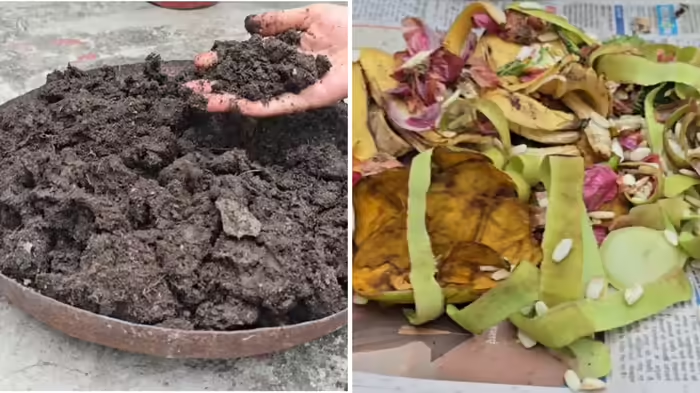
Often, fruit and vegetable peels from the kitchen are discarded as waste. But in the world of gardening, these are considered “black gold.” Gardening expert Kavita Joshi has shared a simple method to transform kitchen scraps into powerful, free organic fertilizer that boosts plant growth, without any foul smell or pests.
Why Kitchen Peels Are Valuable
A lush garden full of flowers and fruit is a dream for many. However, chemical fertilizers available in the market can damage soil health over time. Kavita Joshi offers a natural, effective alternative that turns your kitchen waste into nutrient-rich compost. This fertilizer is especially beneficial for plants like chili, tomato, and lemon.
Collecting Kitchen Waste
The process starts with gathering peels from vegetables and fruits instead of throwing them away. Almost all types of fruit and vegetable peels can be used. Avoid adding cooked food, oil, or dairy products directly, as they may produce foul odor.
Layering Method to Prevent Pests and Odor
Kavita Joshi recommends a layering technique for making compost. Take an empty pot or container and start with a layer of soil. Add a layer of fruit and vegetable peels, then another layer of soil, followed by another layer of peels. Creating alternating layers ensures proper air circulation, preventing pests and unpleasant smells.
Speeding Up the Composting Process
Many people believe composting takes too long. To accelerate decomposition, Kavita suggests adding natural boosters between layers, such as buttermilk, old yogurt, or jaggery water. These act as natural decomposers, enhancing bacterial activity and speeding up the conversion of scraps into rich fertilizer.
Maintaining Moisture and Shade
Cover the top layer with a thick layer of soil and keep the container in a shaded area. Direct sunlight can slow the process. Maintain slight moisture by sprinkling water occasionally, ensuring the mixture doesn’t dry out completely and continues to decompose.
When is “Black Gold” Ready?
After a few weeks, the peels will fully decompose, turning into a dark, soil-like substance — the coveted “black gold.” This organic fertilizer can be used for fruit-bearing plants like chili, pomegranate, lemon, and tomato, as well as flowering plants. It enriches the soil with essential micronutrients that chemical fertilizers often lack.
How to Use the Fertilizer
To use the compost, lightly loosen the soil in a pot or garden bed and mix in two handfuls of the prepared fertilizer. Water immediately. For new plants, mix the compost into the soil at a ratio of 30%. For flowering and fruiting plants, it can also be dissolved in water and used as a liquid fertilizer — provided it is fully decomposed.
This method from Kavita Joshi’s “Kavita’s Garden” offers a sustainable, chemical-free way to enrich your soil and boost plant health, all while turning everyday kitchen waste into a gardener’s treasure.
Discover more from SD NEWS agency
Subscribe to get the latest posts sent to your email.