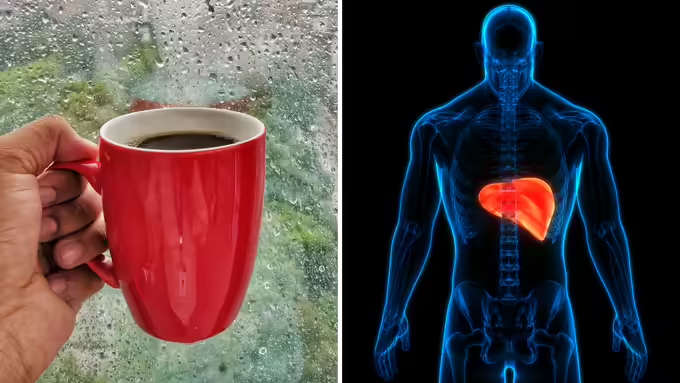
If you usually prefer coffee with milk, it might be time to try black coffee. Not only is it an energy booster, but it can also act as a natural aid for liver health. Consuming black coffee may help reduce accumulated fat in the liver, keeping this vital organ healthy and preventing long-term damage.
Why Black Coffee Works
Gastroenterologist Dr. Shubham Vats explains that black coffee is more than just a morning habit—it functions almost like a natural medicine for the liver. When consumed without milk or sugar, black coffee becomes a rare, health-promoting drink that helps break down liver fat and supports overall liver function.
The Right Way to Consume
For maximum benefits, it is crucial to avoid adding milk or sugar to your coffee. Doing so may diminish its effectiveness in reducing liver fat. Scientific research supports the advantages of sugar-free and milk-free black coffee, showing that drinking 3–4 cups daily can significantly help melt liver fat.
Boosts Metabolism
In addition to improving liver health, black coffee also accelerates metabolism. A faster metabolism promotes fat burning throughout the body and prevents excessive fat accumulation in the liver.
Signs of Fat Accumulation in the Liver
Liver fat can sometimes build up silently, without obvious symptoms. However, common signs may include persistent fatigue and discomfort in the right side of the abdomen. Regular monitoring and adopting healthy habits like black coffee consumption can help manage these risks.
Disclaimer: This article is based on information shared in social media reels and is for general awareness only. Navbharat Times does not guarantee the accuracy or effectiveness of the claims. Consult a healthcare professional before trying any remedies.
Discover more from SD NEWS agency
Subscribe to get the latest posts sent to your email.