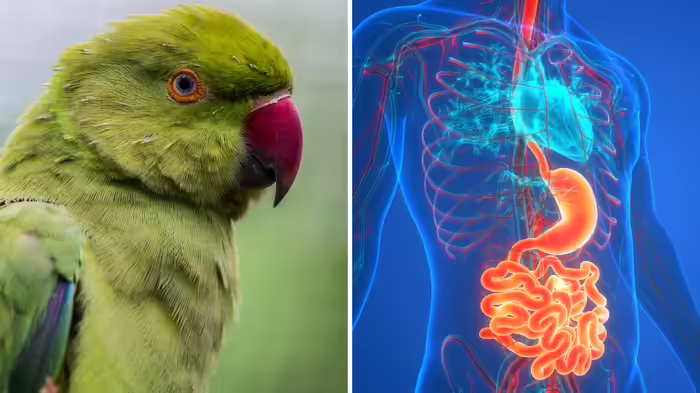
KHARGONE, Madhya Pradesh – A worrying incident has been reported along the banks of the Narmada River in Khargone district. Over just four days, around 200 parrots were found dead, sparking concerns about potential risks to nearby residents’ health. Authorities have ruled out bird flu as the cause, pointing instead to food poisoning caused by human litter.
According to forest officials, the deaths occurred near the popular Barwaha Aqueduct Bridge, a site frequented by picnickers. Leftover food and other waste dumped by visitors were consumed by the birds, resulting in fatal food poisoning. Post-mortem examinations revealed traces of cooked rice, food scraps, and even small stones in the birds’ stomachs.
Potential Risks to Humans
Veterinary officer Dr. Manisha Chauhan noted that the parrots exhibited signs of confusion and sudden collapse before dying. Dr. Suresh Baghel added that exposure to pesticide-contaminated grains from nearby fields and polluted river water may have contributed to these symptoms.
Human consumption of leftover food or contact with contaminated waste can also pose health risks. Salty or spicy food waste can harbor harmful bacteria such as Salmonella and E. coli, which can spread if hands are not washed properly or if contaminated snacks are eaten.
Toxins from Nearby Fields
Reports indicate that organophosphate pesticides from adjacent farmland often make their way into the Narmada River. While birds are the first victims, these toxins pose ongoing risks to humans. Elevated levels of nitrates and other chemicals in the area have been linked to skin rashes, diarrhea, and anemia among local residents.
Health Concerns for People
Visitors to the river area – those picnicking, bathing, or drinking river water – may experience symptoms such as nausea, dizziness, seizures, or respiratory distress due to exposure to these toxins. The accumulation of waste along the riverbanks also increases the risk of rodent-borne diseases like dengue and leptospirosis.
Safety Measures
Authorities advise filtering or boiling river water for at least 10 minutes before drinking. Wildlife should not be fed, and all picnic waste should be properly disposed of. Hands should be thoroughly washed after visiting the river. In cases of large numbers of dead birds, the Forest Helpline should be contacted immediately. Farmers are urged to use pesticides responsibly to reduce environmental contamination.
Disclaimer: This article is for general informational purposes only. Navbharat Times does not assume responsibility for the accuracy, reliability, or consequences of the information. It is not a substitute for professional medical advice. Consult a doctor for any health-related concerns.
Discover more from SD NEWS agency
Subscribe to get the latest posts sent to your email.