
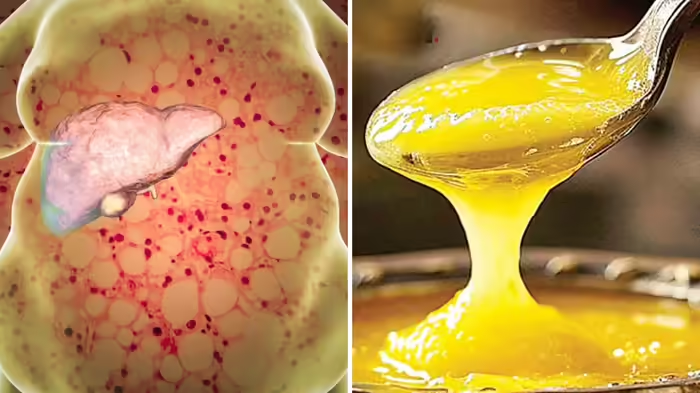
The recent seizure of 7,210 kilograms of adulterated ghee in Kasganj, Uttar Pradesh, has once again raised serious concerns about food safety. According to doctors, consuming fake ghee can lead to digestive issues, liver damage, heart disease, stroke, and several other serious health problems.
Food Adulteration: A Persistent Threat
Food adulteration is a widespread issue in India. Daily staples such as ghee, oil, milk, and paneer are often adulterated or prepared using cheap, unsafe substitutes. The Food Safety and Standards Authority of India (FSSAI) routinely conducts raids to curb such practices and protect consumer health.
In this recent operation, the Uttar Pradesh Food Safety Department, in coordination with the police, confiscated 7,210 kg of adulterated ghee, valued at approximately ₹14.5 lakh. Two individuals were arrested and FIRs registered. Investigations revealed that the ghee was being prepared for market sale, posing severe health risks to the public.
How Ghee is Adulterated
Ghee is a staple in Indian kitchens and valued for its health benefits—but only if it is pure. To increase profits, some unscrupulous manufacturers mix ghee with cheaper substances such as palm oil, animal fat, paraffin wax, or even detergents. These additives not only reduce the nutritional value but also introduce toxic chemicals into the body.
Health Risks of Adulterated Ghee
- Digestive Disorders: Dr. Nishant Singh, Senior Consultant at Yatharth Super Specialty Hospital, says that fake ghee can cause nausea, vomiting, diarrhea, and stomach discomfort. The body struggles to digest these harmful substances, leading to gastrointestinal problems.
- Toxin Build-Up: Harmful chemicals in adulterated ghee, such as paraffin wax or detergents, can accumulate toxins in the body, causing long-term health complications.
- Liver Damage: Continuous consumption of adulterated ghee puts extra strain on the liver, which is responsible for detoxification, potentially leading to liver injury or fatty liver disease.
- Heart Risks: Adulterated ghee containing unhealthy fats or cheap oils raises “bad” cholesterol levels, increasing the risk of heart disease, high blood pressure, and stroke.
- Nutrient Deficiency & Metabolic Disorders: The presence of toxic elements can impair nutrient absorption, causing vitamin deficiencies. Over time, it may also trigger hormonal imbalances, metabolic disorders, and weight gain.
FSSAI Appeals to Consumers
FSSAI has urged the public to buy food products only from reliable and hygienic sources. Consumers are also encouraged to report any suspected adulteration or substandard food items immediately to authorities to ensure timely action.
Disclaimer: This article is for general informational purposes only and is not a substitute for medical advice or treatment. For personalized guidance, consult a qualified doctor. Navbharat Times does not take responsibility for the accuracy or effectiveness of the information provided.
Discover more from SD NEWS agency
Subscribe to get the latest posts sent to your email.