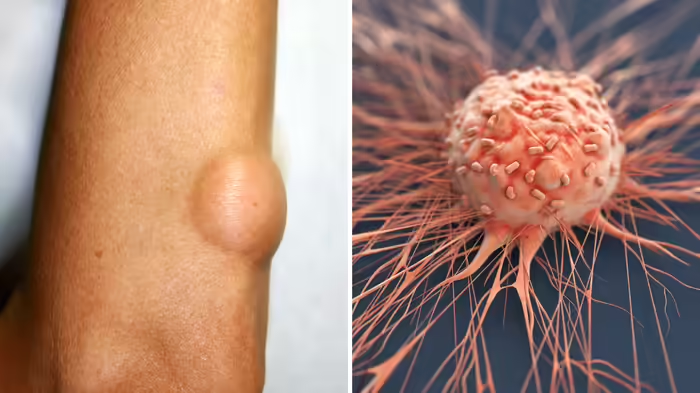
Early detection is crucial to preventing cancer, but many people ignore its symptoms at a young age, assuming they are minor. Experts have identified seven lifestyle habits that can increase the risk of developing cancer before 40. Surprisingly, three of these habits can even make individuals feel proud of themselves, despite their long-term health risks.
Rising Cancer Cases Among Young Adults
According to medical studies, cancer is increasingly affecting people in their 20s and 30s—a pattern previously observed only in those over 50. This trend is seen across various types, including breast and pancreatic cancer. Dr. Abhinav Narwariya, Consultant and Unit Head of Medical Oncology at Max Hospital, Shalimar Bagh, calls this shift a warning signal. While there is no need to panic, adopting healthy lifestyle changes, avoiding tobacco and alcohol, maintaining proper weight, exercising regularly, and getting routine check-ups can significantly reduce the risk.
Seven Risky Habits
Over the past 20–30 years, lifestyles have changed rapidly, mirroring trends previously seen in Western countries when cancer rates were rising. The seven habits that contribute most to early-onset cancer are:
- Prolonged Sitting: Spending hours seated at work can strain your body, disrupt metabolism, and gradually harm hormone functions. Ironically, people may feel accomplished or proud of their workload.
- Eating Ultra-Processed Foods: Diets high in packaged snacks, refined carbohydrates, and low-fiber meals can disturb gut bacteria and increase the risk of colon and gastric cancers. Misuse of antibiotics further aggravates this risk.
- Obesity: Excess body weight is a known risk factor for multiple cancers, including breast, pancreatic, and colorectal cancers.
- Excess Sugar Intake: High sugar consumption affects insulin levels and metabolic processes, contributing to cancer risk.
- Poor Sleep Patterns: Lack of adequate sleep can feel like productivity or achievement to some, yet it disrupts circadian rhythms and immunity.
- Alcohol Consumption: Excessive drinking can make people feel capable or socially confident, but it significantly raises the risk of liver, breast, and esophageal cancers.
- Chronic Stress: Persistent stress may give a sense of responsibility or pride in one’s resilience, but it negatively impacts immunity and hormone regulation.
Environmental and Genetic Factors
- Pollution: Environmental toxins and air pollution can cause inflammation, weaken immunity, and damage DNA, potentially leading to lung cancer even in non-smokers.
- Genetics: Family history and gene mutations, such as BRCA, can increase cancer risk, particularly in young adults living in unhealthy environments.
Importance of Early Screening
Symptoms in young adults are often ignored, as cancer is perceived as a disease of older age. Persistent pain, unexplained weight loss, bleeding, chronic cough, breast lumps, changes in bowel or urinary habits, or mouth ulcers should prompt immediate medical consultation. Early detection improves treatment outcomes.
Disclaimer: This article is for general informational purposes only and should not be considered a substitute for medical advice. Readers are advised to consult a qualified doctor for personalized guidance.
Discover more from SD NEWS agency
Subscribe to get the latest posts sent to your email.