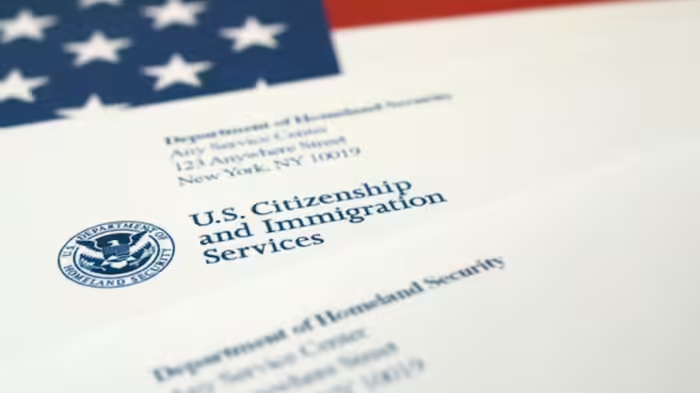
USCIS Checking Green Card Holders: After obtaining a green card, individuals in the US can live and work permanently. However, recent reports indicate stricter scrutiny even for green card holders, causing anxiety among many.
Social Media Vetting by USCIS: The U.S. Citizenship and Immigration Services (USCIS), under the Department of Homeland Security, manages applications related to work permits, citizenship, and green cards. Recently, an Indian green card holder claimed that his LinkedIn profile was being monitored by USCIS officials, raising concerns about social media checks.
The Indian Applicant’s Journey:
The individual, based in North Carolina, received his green card in 2024 without an interview. He had entered the US in 2015 on an F-1 student visa, worked under STEM OPT, and obtained an H-1B visa in 2020. In 2021, he married an Indian-origin woman, and in 2023 applied for a marriage-based green card. His green card was approved in January 2024 for ten years, as the marriage had lasted more than two years. He has no criminal record, except for a minor speeding ticket in 2023.
Social Media Checks by USCIS:
USCIS officials reportedly review social media accounts, including LinkedIn, to ensure applicants have not posted anything against the US or violated immigration laws. While these checks are part of broader immigration monitoring, they can cause stress for law-abiding residents.
What to Do if Your Social Media is Checked:
- Secure Your Profile: Maintain control over your digital footprint. Ensure that professional information such as job titles, employment dates, and locations on LinkedIn or other platforms match the details in your immigration filings (e.g., Form I-485). Discrepancies may trigger scrutiny.
- Keep Supporting Documents Ready: Even after receiving a green card, documents proving the legitimacy of your marriage may be required, particularly during citizenship applications. Keep joint bank accounts, lease agreements, tax returns, and utility bills as evidence. USCIS may check these to prevent fraud through sham marriages.
- Request FOIA: If you suspect unnecessary scrutiny, you can file a Freedom of Information Act (FOIA) request with USCIS to obtain your A-file. Reviewing your file can clarify why the agency is monitoring you and whether there are any discrepancies.
- Consult an Immigration Lawyer: In such situations, it is advisable to consult an immigration attorney. They can provide guidance on the reasons for checks and assist in resolving any potential issues with your application.
Final Note: USCIS has adopted a stricter stance on immigration, and even older applications are under review. It is crucial to comply with all rules, avoid violations, and refrain from posting sensitive or controversial content on social media.
Discover more from SD NEWS agency
Subscribe to get the latest posts sent to your email.