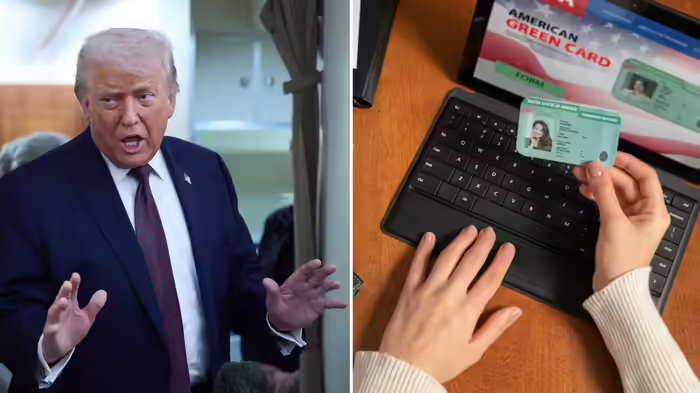
Foreign workers aiming for permanent residency in the United States may face significant hurdles under President Donald Trump’s administration. A recent analysis by the National Foundation for American Policy (NFAP) suggests that up to 2.4 million fewer green cards could be issued by the end of Trump’s term, potentially leaving thousands of skilled workers waiting for years to secure permanent residency (PR).
Why the Cut in Green Cards?
The reduction in green cards is part of the Trump administration’s ongoing effort to tighten immigration policies. Key changes include stricter family sponsorship rules, fewer approvals for refugees, and extended travel bans affecting citizens from multiple countries. According to NFAP, between 1.54 million and 2.37 million individuals may not receive green cards by January 2029, causing long delays for those in line.
Impact on Foreign Workers
The green card reduction will hit foreign workers, especially those in the tech sector on H-1B visas, who are typically the largest recipients of PR. NFAP warns that fewer green cards could force highly skilled workers to leave the U.S., potentially disrupting projects and reducing the talent pool.
Specialized roles dependent on foreign expertise may see staffing shortages, while workers already in the pipeline will face extended waiting periods. Maria Chen, HR Director at a major U.S. company, commented:
“If we cannot secure green cards for skilled foreign workers, project delays are inevitable, and we may have to look for talent outside the United States.”
Conclusion
For foreign professionals dreaming of permanent residency in the U.S., Trump’s immigration policies could mean longer waits, stricter eligibility, and greater uncertainty. Skilled workers and employers alike may need to explore alternative strategies to navigate the changing landscape of U.S. immigration.
Discover more from SD NEWS agency
Subscribe to get the latest posts sent to your email.