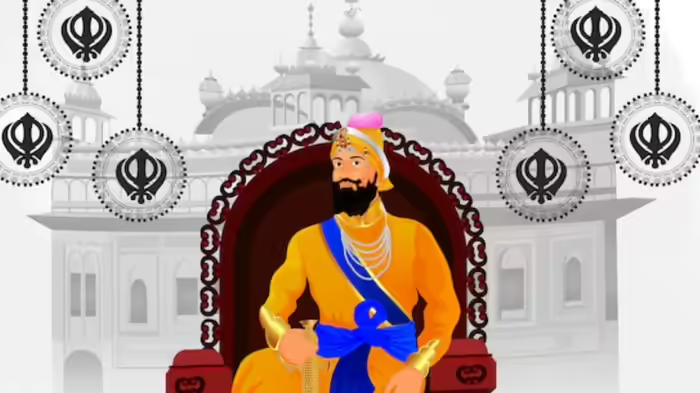
Guru Gobind Singh, the 10th Sikh Guru, is remembered not only as a spiritual leader but also as a fearless warrior, poet, philosopher, and reformer. His life exemplified courage, devotion, and selfless service, and his legacy continues to inspire millions across the world.
The Early Life of Guru Gobind Singh
Born as Gobind Rai in 1666 in Patna, he was the only son of the ninth Sikh Guru, Guru Tegh Bahadur, and Mata Gujri. From a young age, he was groomed in spiritual teachings and martial skills, preparing him to lead the Sikh community during turbulent times.
Formation of the Khalsa
On Baisakhi in 1699, Guru Gobind Singh established the Khalsa Panth, initiating five devoted followers—known as the Panj Pyare—by giving them Amrit (holy nectar). This act symbolized equality beyond caste and class, and he too partook in the Amrit ceremony, adopting the name Gobind Singh.
Courage that Shook Kings and Armies
Guru Gobind Singh’s bravery and leadership astonished rulers in the region. Several local kings, including Bhim Chand of Bilaspur, sought assistance from Mughal Emperor Aurangzeb to confront him. Yet, Guru Gobind Singh’s reputation for courage, wisdom, and righteousness earned respect even from potential adversaries.
When General Syed Khan of the Mughal army marched toward Anandpur Sahib to engage in battle, even his troops trembled at the sight of Guru Gobind Singh on his blue horse. Confronted by the Guru, Syed Khan dismounted but was spared, eventually retreating from the battlefield in awe of the Guru’s valor.
Sacrifice of His Sons for Dharma
Guru Gobind Singh had four sons—Sahibzada Ajit Singh, Jujhar Singh, Fateh Singh, and Zorawar Singh. All four were martyred to protect their faith, exemplifying the Guru’s unwavering commitment to righteousness. Over his lifetime, he led 14 major battles, including at Anandpur, Bhangani, Nirmohgarh, and Muktsar, defeating both Mughal generals and hill-state rulers repeatedly.
The Khalsa Legacy
Guru Gobind Singh established the Khalsa greeting “Waheguru ji ka Khalsa, Waheguru ji ki Fateh”, embodying justice, equality, and selfless service. His life was dedicated to fighting oppression, protecting the vulnerable, and inspiring courage among his followers.
Every year, on Guru Gobind Singh Jayanti, Sikhs and admirers remember his teachings, reflect on his sacrifices, and honor his indomitable spirit that continues to guide humanity.
Discover more from SD NEWS agency
Subscribe to get the latest posts sent to your email.