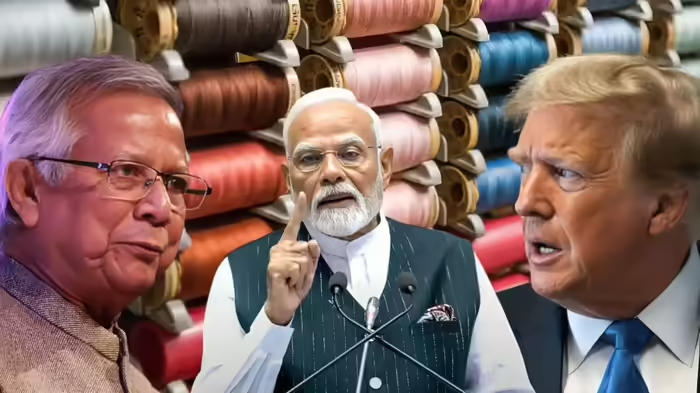
New Delhi: In a strategic move, the United States has signed a trade deal with Bangladesh, reducing tariffs on goods exported to the U.S. from 20% to 19%. More notably, certain textile and apparel shipments made using American cotton or synthetic fibers will now enjoy zero tariffs, giving Bangladesh’s garment sector a major boost.
Impact on India’s Textile Industry
Just days earlier, the U.S. had concluded a trade deal with India, cutting tariffs on Indian exports by 50% to 18%. However, under the new Bangladesh agreement, zero-duty access for selected textile shipments puts India at a disadvantage. Bangladeshi garments will now reach the U.S. market cheaper than Indian products, potentially shifting American buyers’ preference toward Bangladesh over India.
Bangladesh Benefits
The tariff reduction is expected to ease export costs for Bangladeshi producers, allowing them to sell products more competitively in the U.S. The deal specifically benefits garments using U.S. cotton or synthetic fibers. Bangladesh’s chief negotiator, NSA Rehman, said, “Zero tariffs on exports made with American inputs will significantly strengthen our garment industry.”
The Strategic Play by Trump
By offering Bangladesh zero-duty access while India continues to face an 18% tariff, former President Donald Trump has tilted the playing field. While India imports $200 million worth of cotton from the U.S., Bangladesh imports slightly more—$250 million. Despite the $50 million difference, Indian exporters now bear a higher tariff burden, eroding their competitive edge in the U.S. market.
Furthermore, the deal with India includes a condition to purchase $500 billion worth of U.S. goods over the next few years, a requirement not imposed on Bangladesh. This adds another layer of pressure on Indian exporters even after tariff reductions.
Industry Outlook
The U.S.-Bangladesh trade deal strengthens Bangladesh’s global apparel competitiveness while creating challenges for Indian textile exporters. Analysts say Indian companies may need to reassess pricing strategies, supply chains, and lobbying efforts to mitigate potential losses in the U.S. market.
Discover more from SD NEWS agency
Subscribe to get the latest posts sent to your email.