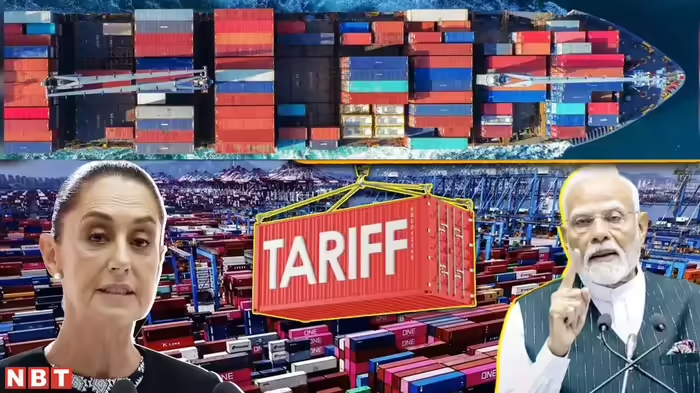
New Delhi/Mexico City: Mexico has announced tariffs of up to 50% on a range of goods imported from India, China, South Korea, Thailand, Indonesia, and Vietnam. The move, approved by Mexico’s Senate, targets countries with which it does not have free trade agreements and will come into effect from January 1, 2026. Most goods will see tariff hikes of around 35%, while select items could face tariffs as high as 50%.
Reasons Behind the Tariff
The Mexican government says the move is intended to protect domestic industries, safeguard jobs, and strengthen economic policy. President Claudia Sheinbaum’s administration highlighted intense competition in sectors such as automobiles, textiles, steel, plastics, footwear, and other consumer and intermediate goods. The tariffs aim to reduce import dependence and give Mexican manufacturers a competitive advantage. Analysts estimate that the new tariffs could generate an additional $3.7 billion in revenue for the Mexican government in 2026, helping address fiscal deficits.
Potential Challenges
Critics warn that the tariffs may disrupt global supply chains, increase costs for manufacturers, and create trade tensions with affected countries. Mexico may also face higher costs for raw materials, potentially driving domestic inflation as local producers seek new sources of imported goods.
Strategic and Geopolitical Implications
Mexico’s move comes against a backdrop of its close trade relationship with the United States, which has long pressured Latin American countries to limit economic ties with China. Analysts suggest that the tariff increase could be a strategic effort to align with U.S. interests ahead of the next review of the United States–Mexico–Canada Agreement (USMCA). The decision may also be aimed at preempting potential U.S. tariff threats, especially given that the Trump administration has previously imposed a 25% tariff on Mexican goods and repeatedly warned of additional measures.
Impact on India
For India, the tariffs could significantly affect exports of key products to Mexico, potentially raising costs for Indian manufacturers and limiting their competitiveness in the Mexican market. The move is being closely watched by Indian trade analysts for its long-term implications on bilateral trade and regional supply chains.
Discover more from SD NEWS agency
Subscribe to get the latest posts sent to your email.