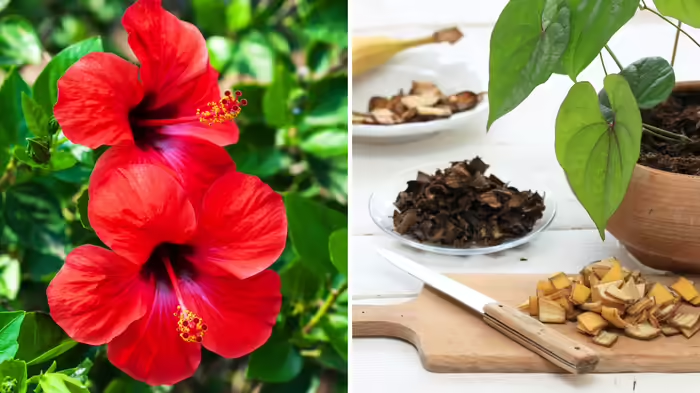
Many gardeners struggle when their hibiscus plants fail to bloom. Gardening expert Kavita Joshi shares a simple and effective method to increase flower production using banana peel fertilizer, along with proper care tips to keep your plant healthy and vibrant.
Choosing the Right Pot and Soil
Hibiscus roots grow rapidly and need sufficient space. Kavita recommends using pots that are 12–16 inches in diameter and ensuring proper pot size when repotting. The soil should be loose and fertile; mixing garden soil with cow dung helps aerate the soil and supports healthy root development. Cow dung also prevents soil from compacting, promoting robust growth.
Pruning for More Flowers
Regular pruning encourages bushier growth and increases flowering. New branches produce flowers, so prune your hibiscus after winter—preferably in March or April. Pruning promotes dense foliage, which ultimately leads to more blooms.
Loosening the Soil
Over time, soil can harden, restricting airflow to the roots. Kavita advises loosening the soil at least once or twice a month to ensure roots receive adequate oxygen. Dig 1–1.5 inches deep to aerate the soil, especially before adding any fertilizer, so nutrients are absorbed effectively.
Banana Peel Fertilizer
After winter dormancy, hibiscus plants require potassium-rich nutrients to boost growth and flowering. Banana peels are an excellent natural source of potassium.
Preparation:
- Sun-dry banana peels thoroughly.
- Crush them into small pieces or grind into a fine powder.
- Loosen the soil lightly and sprinkle the banana peel powder around the plant.
- Water the soil gently to help nutrients penetrate.
This organic fertilizer enhances both the number and size of flowers, promoting vibrant blooms.
Watering Tips
Proper watering is crucial for hibiscus flowering. While hibiscus prefers moist soil, overwatering can rot the roots. Water only when the top layer of soil dries. Additionally, misting the leaves removes dust, improving photosynthesis.
Additional Care Tips
- Place the hibiscus in a location receiving 5–6 hours of direct sunlight daily.
- Protect against mealybugs by spraying neem oil diluted in water periodically.
- Remove yellowing leaves to allow the plant to focus energy on new buds.
Planting New Hibiscus
New plants can be propagated via cuttings or purchased from nurseries. The best time to plant or repot hibiscus is during the monsoon (July–August), when humidity helps cuttings root quickly. Use stems about the thickness of a pencil and plant them in loose, fertile soil to establish a healthy new plant.
By following these simple steps and using banana peel fertilizer, gardeners can enjoy lush hibiscus plants with abundant, vibrant flowers.